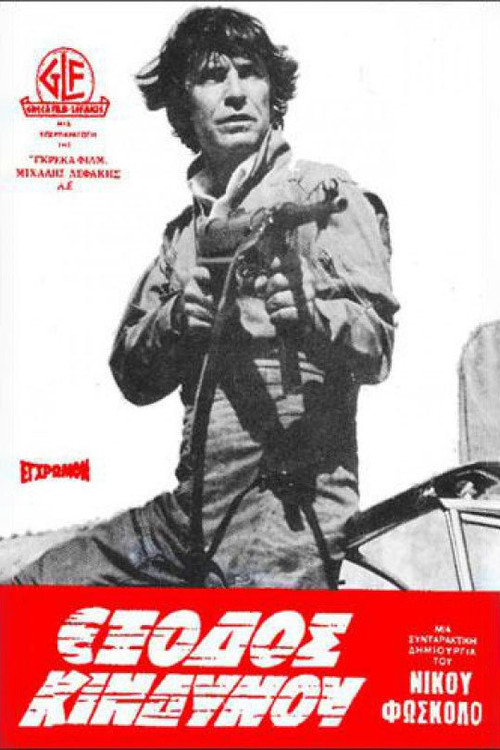
Emergency exit
1980
No user ratings available yet
Representation score: 2.8 out of 10
Representation Score
Minimal
1992
NC-17Director
Charles T. Kanganis
Runtime
99 minutes
Average Rating
No ratings yetNew Showbiz Analysis
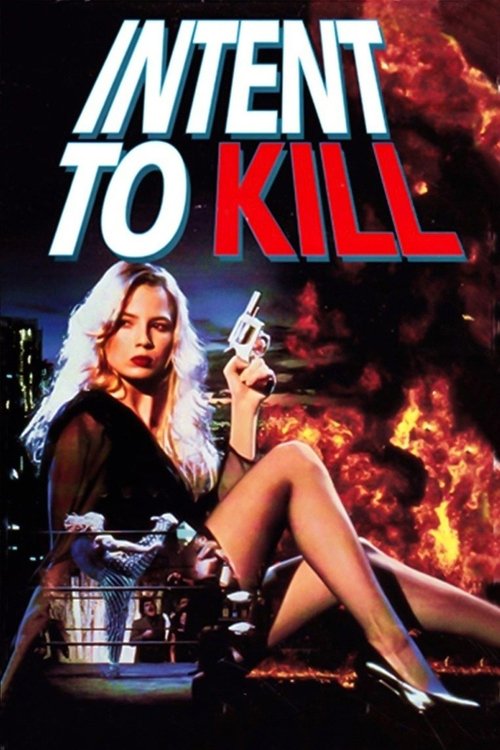
Intent to Kill is a conventional 1990s crime thriller that focuses on genre archetypes rather than social subversion. While the film includes a female law enforcement officer in a position of authority, it does not offer broader multi-layered depth. The production lacks representation for LGBTQ+ individuals and characters with disabilities. Additionally, the racial and cultural elements adhere to standard cinematic clichés without challenging them. Overall, the film functions as a typical genre piece that aligns with the demographic and moral norms of its time.
Category Breakdown
The film does not include any characters with non-traditional gender identities. It stays within a traditional genre framework that does not explore queer narratives.
A female policewoman serves as the main character in a position of authority. However, it is unclear if this role truly breaks down gender barriers or simply reinforces traditional roles.
The film follows typical racial distribution patterns seen in early 90s action movies. There is no indication of characters reflecting multiple aspects of diversity.
The story follows standard crime thriller clichés and traditional moral structures. It does not critique Western institutions or explore moral relativism.
There are no characters with visible or invisible disabilities in the film. Disability is not used as a narrative device or plot point.
Present on Screen
Limited or Absent
Official Synopsis
A young policewoman relentlessly tries to bring down a ruthless drug kingpin whom plots his own agenda for his drug distribution empire.
1980
1983
1993

1992
1989
1973
1993
2013
No reviews yet. Be the first to share your thoughts on this movie!
Use the rating form above to leave a star rating and optional review.