The Poltergeist Diaries
2021
No user ratings available yet
Representation score: 4.0 out of 10
Representation Score
Good
2004
RDirector
Pascal Laugier
Runtime
98 minutes
Average Rating
No ratings yetNew Showbiz Analysis
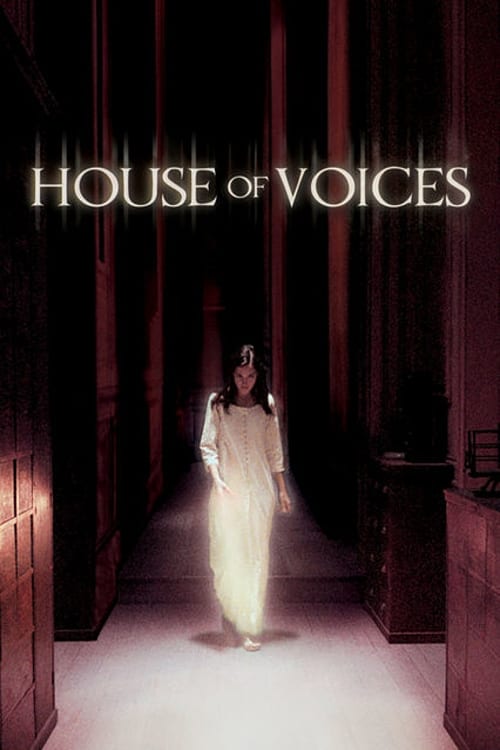
House of Voices is a psychological study that emphasizes the internal experiences of underrepresented women and neurodivergent individuals. It succeeds in challenging institutional stability by focusing on characters navigating systemic distress. However, the film's demographic range is limited by its historical and geographical setting, which prevents a higher overall score. Ultimately, the film's strength lies in its character-driven approach to disability and gender, using these elements to challenge conventional cinematic comfort and traditional horror structures.
Category Breakdown
The film does not include explicit depictions of same-sex relationships or non-binary gender identities. The relationship between Anna and Judith is focused on their bond without clear romantic subtext.
Women play key roles in this restrictive, institutional setting. By centering women as the main actors in a high-stakes psychological environment, the film challenges traditional masculine-led horror clichés.
Set in the French Alps of 1958, the cast reflects the era's homogeneous demographics. While there is no evidence of whitewashing, the lack of diverse casting limits the film's diversity score.
The religious-themed orphanage setting is portrayed through psychological dread rather than spiritual comfort. The story critiques traditional Western social structures by depicting institutional authority as a source of trauma.
Judith’s neurodivergence and auditory hallucinations are central to the mystery. Instead of being a helpless cliché, her unique perception of reality drives the plot forward.
Present on Screen
Limited or Absent
Official Synopsis
In 1958, in the French Alp, the young servant Anna Jurin arrives in Saint Ange Orphanage to work with Helena while the orphans moved to new families. Anna, who is secretly pregnant, meets the last orphan, Judith, left behind because of her mental problems, and they become closer when Anna find that Judith also hear voices and footsteps of children.
2021
1961
1989

1976
2001

2017
2005
2011
No reviews yet. Be the first to share your thoughts on this movie!
Use the rating form above to leave a star rating and optional review.