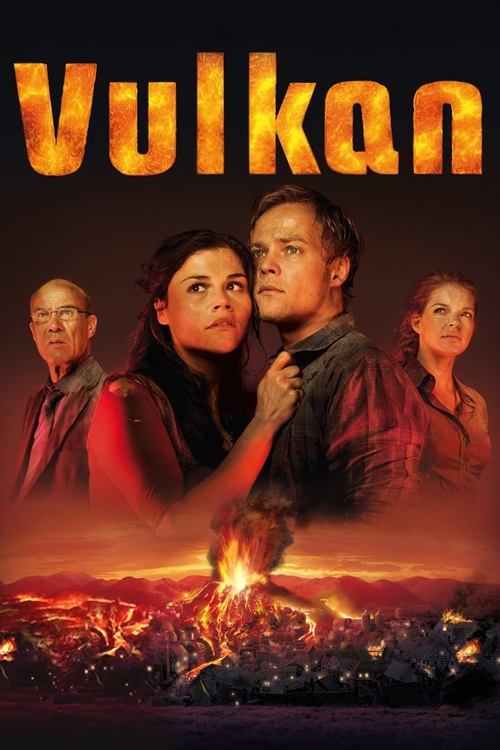
Volcano
2009
No user ratings available yet
Diversity score: 3.1 out of 10
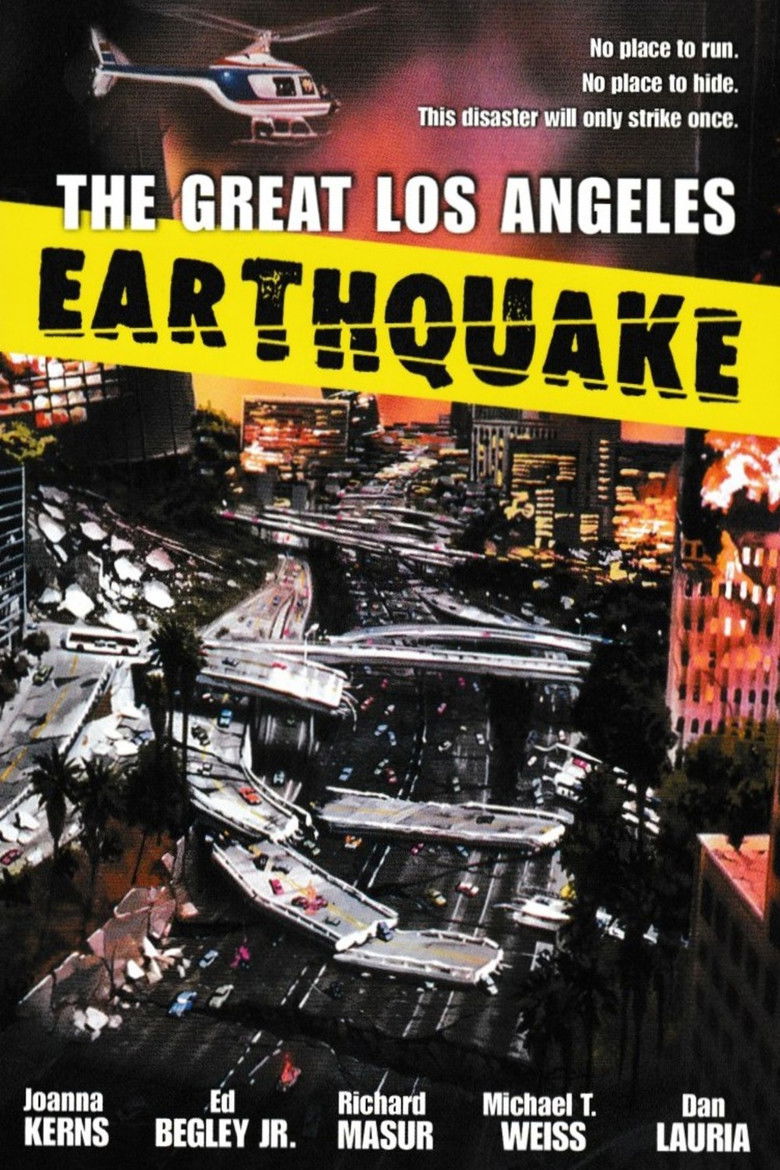
1990
TV-PGDirector
Larry Elikann
Runtime
180 minutes
Average Rating
No ratings yetSynopsis
After a series of small tremors in Los Angeles, Dr. Clare Winslow, a local seismologist, pinpoints the exact location and time of when the long awaited earthquake--"The Big One"--will strike southern California. With this information, she must battle city officials to release this information to the general public. Also, she hopes that her family is out of harms way when the quake strikes. Subplots show how other families and people cope with the the tremors that strike before the impending "Big One."
Overall Score
Limited
Category Breakdown
LGBTQ+ Representation
The film follows a standard disaster-survival framework. There is no evidence of non-cisnormative gender identities or narratives designed to critique heteronormativity.
Gender Representation
Dr. Clare Winslow disrupts traditional hierarchies by serving as the primary intellectual authority. Her agency in battling city officials challenges the trope of male-led emergency responses.
Racial & Ethnic Diversity
The narrative focus on professional struggles and specific familial subplots does not explicitly highlight intersectional casting. It reflects the homogeneous casting typical of early 90s domestic dramas.
Religious & Cultural Diversity
The story operates within a traditional Western framework of crisis management. It emphasizes the preservation of the family unit and urban resilience rather than challenging social values.
Disability Representation
There is no evidence of characters with disabilities possessing agency. Physical impairments in this era of cinema often serve as mere obstacles to survival.
Strengths
Areas for Improvement
AI Analysis
The film's progressive value is found almost exclusively in its female lead, who provides a rare moment of professional agency in a disaster setting. By centering a woman as the scientific authority, the story subverts traditional patriarchal decision-making structures. However, the film remains largely conventional for its time. It lacks intentional intersectional complexity and relies on a narrative architecture built around survival and institutional friction rather than the disruption of social identities. While it avoids harmful tropes, the production lacks significant representation across most other categories, adhering to the homogeneous casting standards of 1990s television.
No reviews yet. Be the first to share your thoughts on this movie!
Use the rating form above to leave a star rating and optional review.