Intruder
2020
No user ratings available yet
Representation score: 4.5 out of 10
Representation Score
Fair
2016
Director
Chris Chow
Runtime
89 minutes
Average Rating
No ratings yetNew Showbiz Analysis
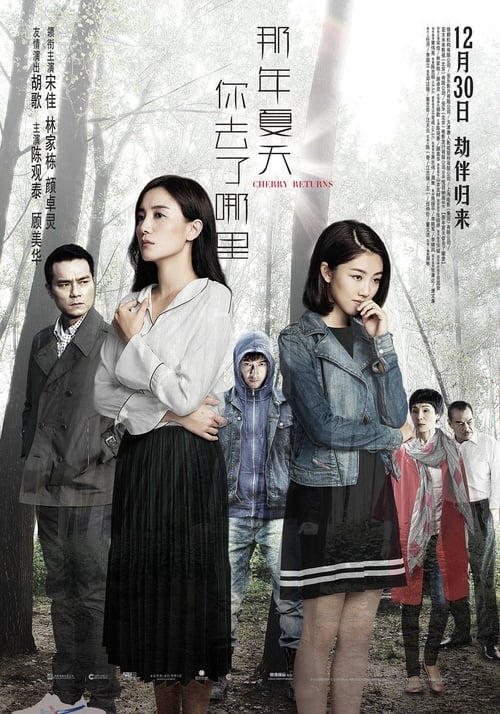
Cherry Returns is a genre-driven mystery that prioritizes psychological tension over identity-based exploration. The film succeeds in subverting the 'missing child' archetype by giving its female characters complex, active roles in the unfolding conspiracy. While the narrative avoids some traditional clichés by centering women's ability to drive the story, it lacks explicit markers reflecting multiple aspects of identity. The focus remains firmly on the thriller structure and the moral ambiguity of its characters rather than broader social critiques. Ultimately, the film functions as a character study of trauma and ability to act within an East Asian context, though it offers little in the way of diverse identity representation.
Category Breakdown
The film centers on a mystery involving kidnapping and family trauma. There are no explicit LGBTQ+ characters or critiques of the assumption that everyone is straight or cisgender.
Jing and Cherry provide a nuanced look at women's roles. Jing acts as a proactive investigator, while Cherry's role as a coerced criminal disrupts typical victim clichés.
The production suggests an East Asian cultural framework and a non-Western perspective. However, specific details about the cast composition or ethnic blending are not explicitly provided.
The plot explores moral ambiguity and systemic failure through a cycle of trauma. It prioritizes psychological complexity over traditional, singular moralities in its storytelling.
There is no mention of characters navigating physical, neurodivergent, or mental health disabilities. While trauma is central, specific disability representation is not verified.
Present on Screen
Limited or Absent
Official Synopsis
The story revolves around Cherry, a young girl who was kidnapped and declared missing for over a decade. She suddenly returns to her family after 12 years, and older sister Jing soon discovers that something is wrong with Cherry. It turns out Cherry has been carrying out crimes on the orders of her abductor, and Jing employs the help of friendly police officer to unravel her younger sister’s conspiracy.
2020
2016

2015

2013

2011

2014

2022

2012
No reviews yet. Be the first to share your thoughts on this movie!
Use the rating form above to leave a star rating and optional review.