
Maine Pyaar Kyun Kiya?
2005
No user ratings available yet
Representation score: 1.6 out of 10
Representation Score
Minimal
1999
Not RatedDirector
David Dhawan
Runtime
140 minutes
Average Rating
No ratings yetNew Showbiz Analysis
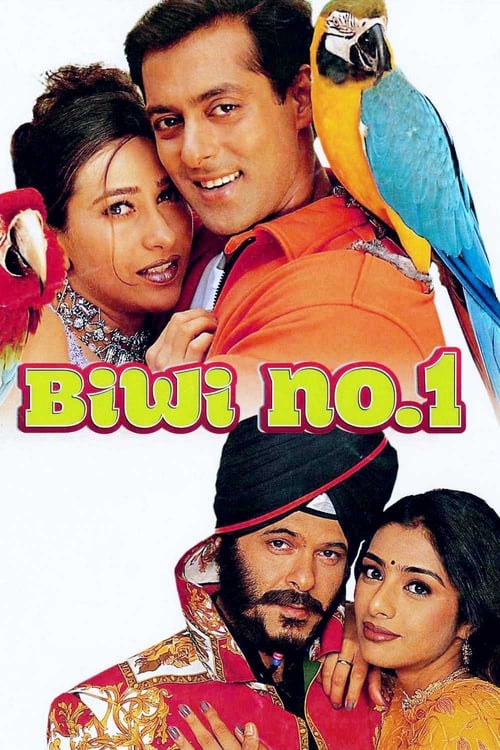
Biwi No. 1 exemplifies late-90s commercial entertainment. The plot depends on traditional gender roles and men's control over the story to fuel its comedic storyline. Although it challenges the sanctity of marriage through humor, it does not offer a progressive social critique. The film lacks depth in addressing broader cultural and social issues, focusing instead on a localized, culturally specific experience. The reliance on reactive female character arcs and a homogeneous cast contributes to a traditional cinematic structure prioritizing entertainment over social commentary.
Category Breakdown
The film does not include any visible LGBTQ+ characters or non-straight identities.
The story reinforces traditional gender roles by giving the male protagonist significant control over the plot. Female characters mostly respond to his actions, particularly his infidelity.
The cast is made up mainly of South Asian actors, presenting a localized experience without exploring broader racial or diverse identities.
Infidelity is portrayed through a comedic lens rather than moral judgment. The film reflects a conventional urban middle-class Indian perspective.
There are no prominent depictions of physical, sensory, or neurodivergent disabilities. Disability is not considered as part of the characters' identities.
Present on Screen
Limited or Absent
Official Synopsis
Two adorable kids, a quirky mother-in-law and a happy-go-lucky friend help a heartbroken wife bring a straying husband back from the other woman's tangled embrace.
2005

2003

2003

1999

1998

2006

2011

1997
No reviews yet. Be the first to share your thoughts on this movie!
Use the rating form above to leave a star rating and optional review.