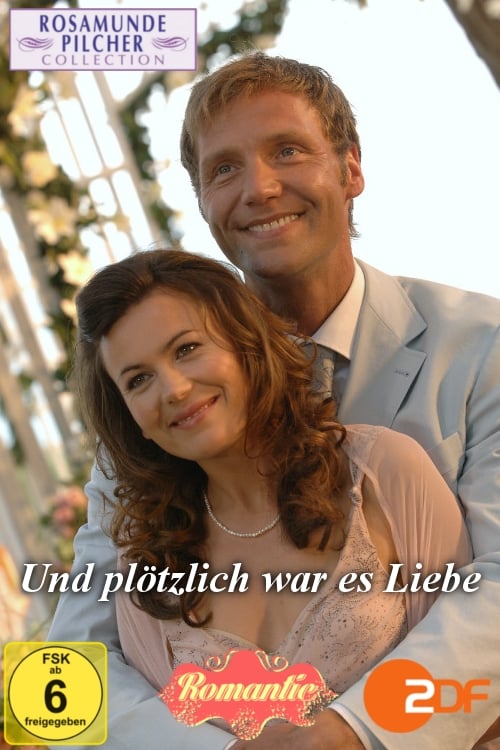
Rosamunde Pilcher: Und plötzlich war es Liebe
2006
No user ratings available yet
Representation score: 2.5 out of 10
Representation Score
Limited
2002
Director
Dieter Kehler
Average Rating
No ratings yetNew Showbiz Analysis
This production functions as a traditional romantic drama that adheres to established genre conventions and cultural norms. It relies on well-known social hierarchies and conventional storytelling structures rather than progressive representation. The film maintains a homogeneous perspective, focusing on Western European social norms and romantic ideals. This approach results in a lack of multi-layered complexity and minimal engagement with diverse identities. Ultimately, the work reinforces traditional norms regarding gender, race, and sexuality, offering a stable but narrow view of social dynamics.
Category Breakdown
The film follows typical romantic storylines and does not include non-straight identities or critiques of the assumption that everyone is straight or cisgender. There is no evidence of LGBTQ+ representation.
Female characters play a key role in driving the emotional storyline, but their influence is often tied to romantic relationships. The story upholds traditional gender roles without challenging patriarchal structures.
The production reflects a homogeneous cast typical of early-2000s European dramas. The lack of racial diversity means the story focuses on a localized Western European perspective.
The narrative highlights traditional Western values and social stability, emphasizing romantic ideals and community unity over questioning Western institutions.
Characters with disabilities are not central to the story and may be used as minor plot devices rather than being portrayed as complex individuals.
Present on Screen
Limited or Absent
2006
2008
2002

2004
2010
2018

2013
2012
No reviews yet. Be the first to share your thoughts on this movie!
Use the rating form above to leave a star rating and optional review.