
Carmen & Lola
2018
No user ratings available yet
Representation score: 6.8 out of 10
Representation Score
Good
2011
Director
Icíar Bollaín
Runtime
104 minutes
Average Rating
No ratings yetNew Showbiz Analysis
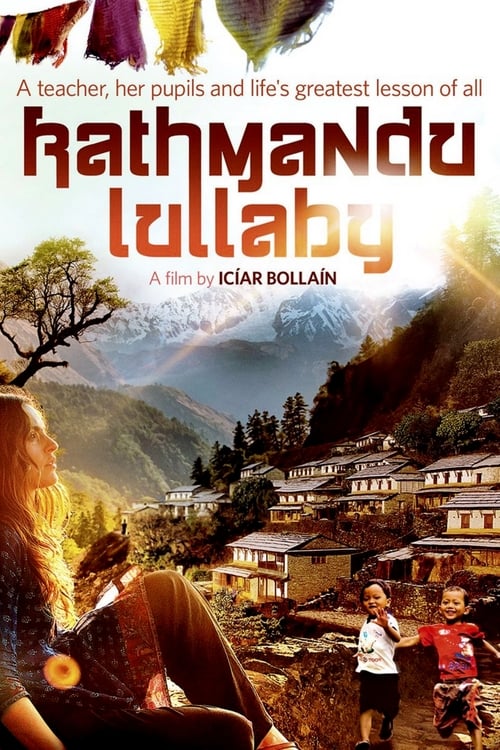
Kathmandu Lullaby excels as a realistic critique of systemic inequality. By focusing on the lives of the urban poor in Nepal, the film avoids exoticizing its setting. It uses a Spanish protagonist to observe these dynamics without overshadowing the local ethnic identity. The film's strength lies in its nuanced portrayal of socioeconomic struggle and its refusal to offer simplistic solutions. It frames these issues as consequences of broken institutional hierarchies rather than individual failings. However, the film lacks representation for LGBTQ+ identities and does not feature characters with specific disabilities. While it addresses the 'disability of poverty,' it remains neutral regarding neurodivergent or physical impairments.
Category Breakdown
The film does not include any identifiable LGBTQ+ characters or stories. The plot focuses solely on socioeconomic and family dynamics within the local community.
The story highlights the domestic responsibilities placed on young girls, critiquing patriarchal expectations. It shows how poverty forces premature adulthood and responsibilities.
The film features a predominantly Nepali cast, avoiding the pitfalls of tourist cinema. It emphasizes the struggles of the local population, presenting their challenges as complex systemic issues.
The film questions the effectiveness of Western educational interventions in addressing post-colonial poverty. It shows how survival often takes precedence over traditional social behaviors.
The film does not feature characters with specific physical or neurodivergent disabilities. Instead, it portrays the systemic impairment of human potential due to extreme poverty.
Present on Screen
Limited or Absent
Official Synopsis
Kathmandu, Nepal, early 1990s. Laia, a young teacher from Catalonia, Spain, works at a local school in the slums of the city where poverty reigns. Her personal path, besieged by a harsh sum of indescribable social conditions, will be a struggle against a nefarious educational system, but a journey of self-discovery as well.
2018
1994

2013

2019

2010
2010
2012

2013
No reviews yet. Be the first to share your thoughts on this movie!
Use the rating form above to leave a star rating and optional review.