
The Honeymoon Pact
2023
No user ratings available yet
Representation score: 5.5 out of 10

Representation Score
Limited
2010
TV-PGDirector
Craig Pryce
Runtime
87 minutes
Average Rating
No ratings yetNew Showbiz Analysis
Double Wedding operates strictly within the boundaries of conventional romantic comedy. The narrative structure relies on established genre clichés, focusing on a central romantic entanglement that reinforces traditional social structures rather than challenging them. The plot is driven by a heterosexual conflict, and while women play significant roles, the story's engine remains a male figure, keeping the dynamics within standard gendered expectations. Overall, the production follows a mid-range television model, providing a familiar domestic experience but lacking the complex character's ability to drive the story or diverse representation needed to disrupt social norms.
Category Breakdown
The story centers on a heterosexual romantic conflict involving two sisters and one man. There are no LGBTQ narratives or non-binary gender identities represented in the plot.
Female characters drive the plot, but the central conflict revolves around a male figure as the object of pursuit. The narrative follows traditional romantic competition clichés.
The film lacks explicit evidence of racial diversity or a non-Anglo-Saxon majority. It appears to follow a standard domestic comedy setting.
The themes center on Western social structures and nuclear family dynamics. There is no evidence of critique regarding traditional institutions or secularist values.
There is no information regarding the inclusion of characters with visible or invisible disabilities in this production.
Present on Screen
Limited or Absent
Official Synopsis
Two sisters, no love lives. Both end up dating the same man, and inviting him to meet the family on December 17th. He doesn’t know there are two sisters or that he committed to two different dates on the same day.
2023

2012

2022
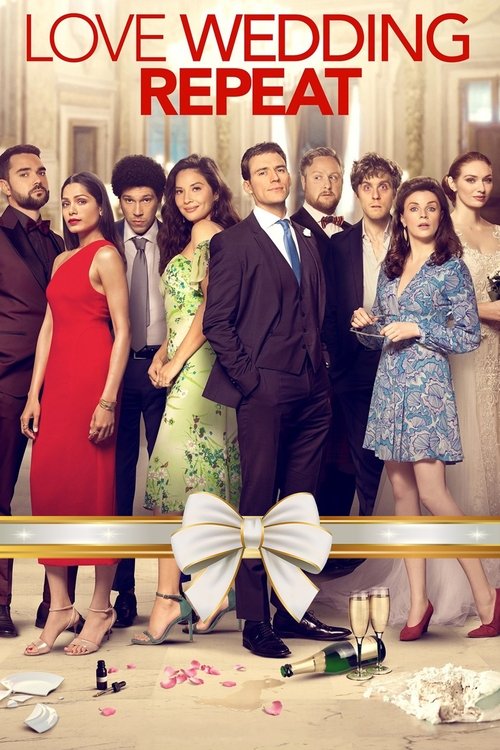
2020
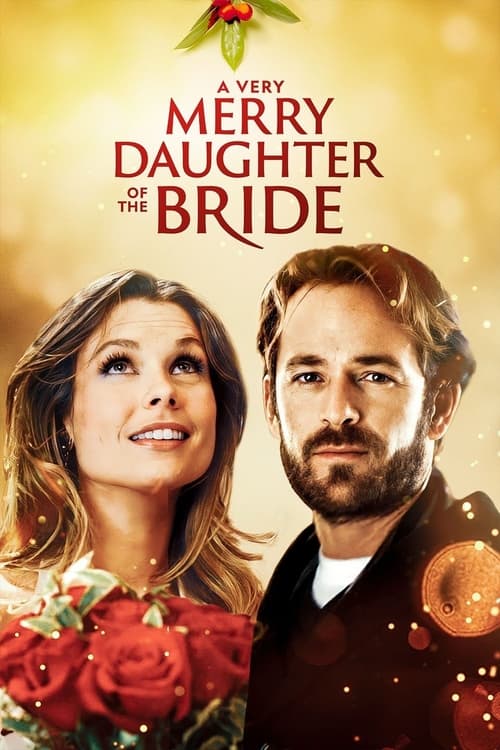
2008
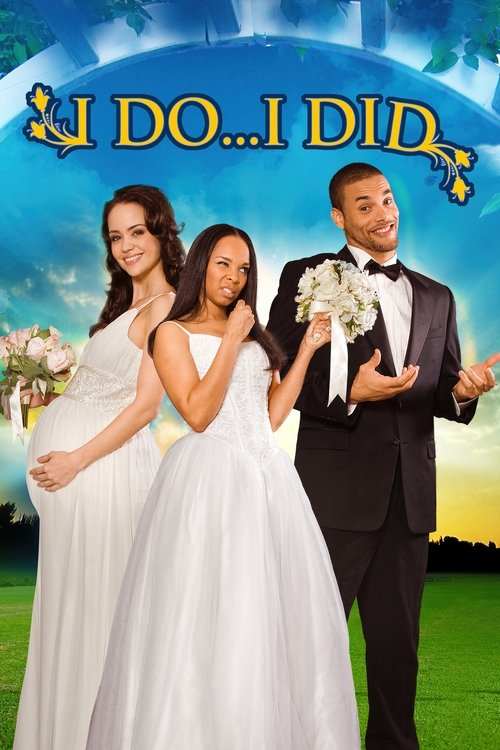
2009
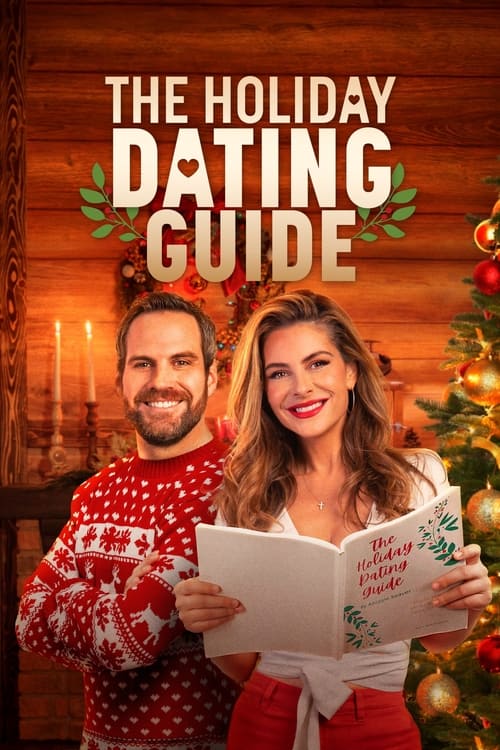
2022
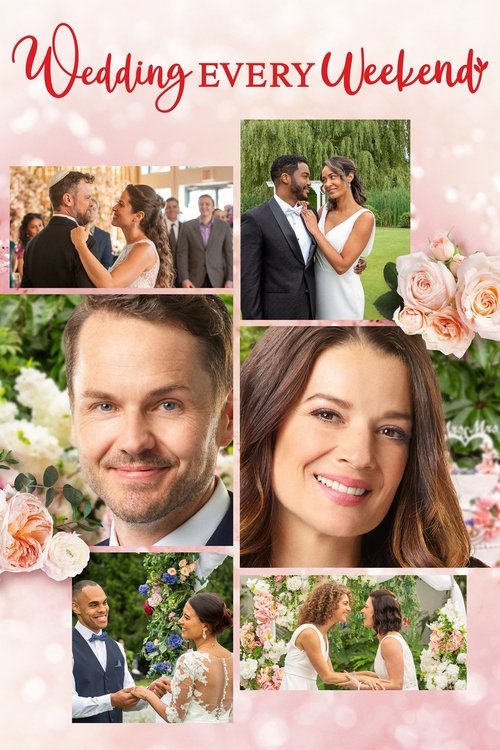
2020
No reviews yet. Be the first to share your thoughts on this movie!
Use the rating form above to leave a star rating and optional review.