
Cries from the Heart
1994
No user ratings available yet
Representation score: 5.8 out of 10
Representation Score
Fair
1994
Director
Mimi Leder
Runtime
96 minutes
Average Rating
No ratings yetNew Showbiz Analysis
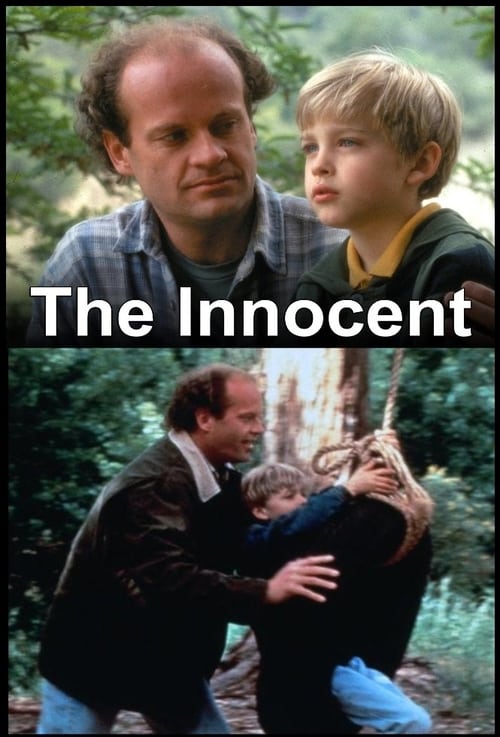
The Innocent is a psychological drama that prioritizes individual complexity over diverse representation. It succeeds in challenging traditional gender roles by giving the female lead significant influence in a dangerous environment. However, the film remains conventional in its racial and sexual orientation demographics. The casting is largely homogeneous, and the narrative structure centers on a standard heterosexual family unit. Ultimately, the film's strength lies in its nuanced approach to morality and its use of neurodivergence as a narrative pivot, even if it relies on established character clichés.
Category Breakdown
The film focuses solely on a heterosexual marriage and does not include any non-straight or non-cisgender identities. It also does not challenge the assumption that everyone is straight or cisgender.
The female protagonist actively drives the story within a traditionally male-dominated criminal underworld. She avoids being portrayed as a passive spouse by navigating high-stakes deception and moral ambiguity.
The production follows a traditional, homogeneous casting model. The setting and main cast reflect a predominantly white, urban demographic with little ethnic diversity.
The narrative explores moral relativism and the gray areas of loyalty. It functions as a character-driven thriller rather than a systemic or anti-capitalist critique.
Neurodivergence serves as a central plot driver through the character of Gregory. While his unique perspective provides significant influence, the portrayal remains tied to the 'witness' cliché.
Present on Screen
Limited or Absent
Official Synopsis
The owner of a drugstore is killed in a hold-up. The only witness who saw one of the murderers without his mask is Gregory, a nine year old autistic boy. Cop Barlow is sure they'll try to silence him. He tries to get him to draw a picture of the man he saw.
1994

2014
1994
2011
1990
2020
1990

2003
No reviews yet. Be the first to share your thoughts on this movie!
Use the rating form above to leave a star rating and optional review.