
The One I Wrote for You
2014
No user ratings available yet
Diversity score: 3.2 out of 10
2009
PG-13Director
Brian Dublin
Runtime
78 minutes
Average Rating
No ratings yetSynopsis
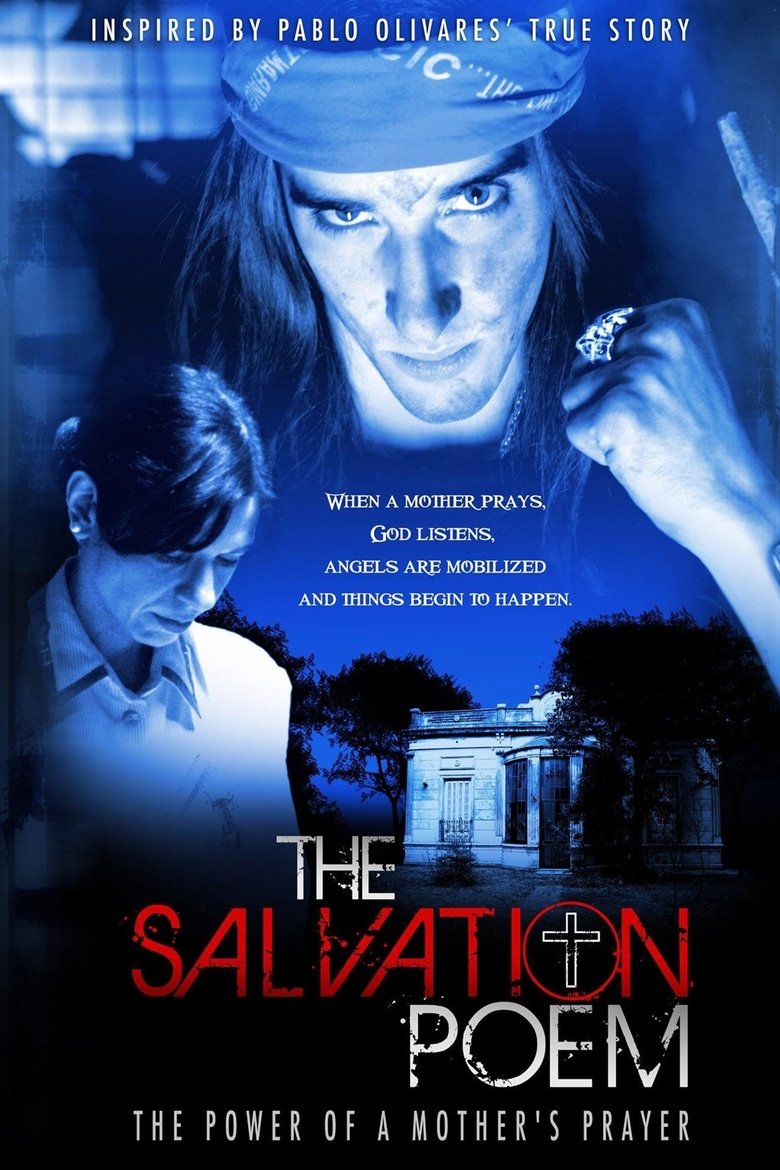
Pablo Olivares is a lively and talented child born into a Christian family. His mother, Carmen, devotes her time to teach him biblical principles and cultivates in him a love for music. His father, Roberto, spends most of his time working, which keeps him busy and distant from Pablo's life. Because of his father's emotional absence, Pablo gets involved with friends who introduce him to the world of rock n' roll, and becomes captivated by occultism. His musical talents are evident, and even though Carmen believes in him, rock is something that she will not condone. The pain caused by his father's absence and his mother's rejection of his dreams, incite in this young man a hate which he slowly directs towards Carmen and the religion she professes. Driven by his ambitions of success, Pablo makes a pact with the devil. Carmen does everything she can to re-establish her relationship with her son, and faithful to her beliefs, she prays earnestly for him for more than fourteen years.
Overall Score
Limited
Category Breakdown
LGBTQ+ Representation
The film focuses entirely on a heteronormative family unit. There are no mentions of queer identities or non-heteronormative narratives within the story.
Gender Representation
Characters adhere to traditional roles, with Carmen serving as the nurturing maternal figure and Roberto as the distant patriarch. The film reinforces conventional domestic dynamics.
Racial & Ethnic Diversity
While the names Pablo, Carmen, and Roberto suggest a Hispanic or Latin American context, there is no explicit information regarding cast or multi-ethnic intersections.
Religious & Cultural Diversity
The narrative centers on Christian morality, framing religious devotion as a stabilizing force. It treats the rejection of these values as a destructive, personal path.
Disability Representation
There is no mention of visible or invisible disabilities in the character descriptions or the plot summary.
Strengths
Areas for Improvement
AI Analysis
The Salvation Poem operates as a traditional moral drama that prioritizes religious and familial stability. The narrative structure relies on a binary conflict between spiritual orthodoxy and secular rebellion, framing the protagonist's choices as personal moral failings. Because the story focuses on reinforcing traditional hierarchies, it lacks intersectional complexity. The film functions within a conservative storytelling framework that views deviation from religious norms as a source of crisis rather than a subject for systemic critique. Ultimately, the film lacks representation for marginalized identities, focusing instead on a singular cultural and religious perspective.
No reviews yet. Be the first to share your thoughts on this movie!
Use the rating form above to leave a star rating and optional review.