
Young Sister-In-Law 2
2017
No user ratings available yet
Diversity score: 2.6 out of 10

2019
Director
Kim Tae-soo
Runtime
70 minutes
Average Rating
No ratings yetSynopsis
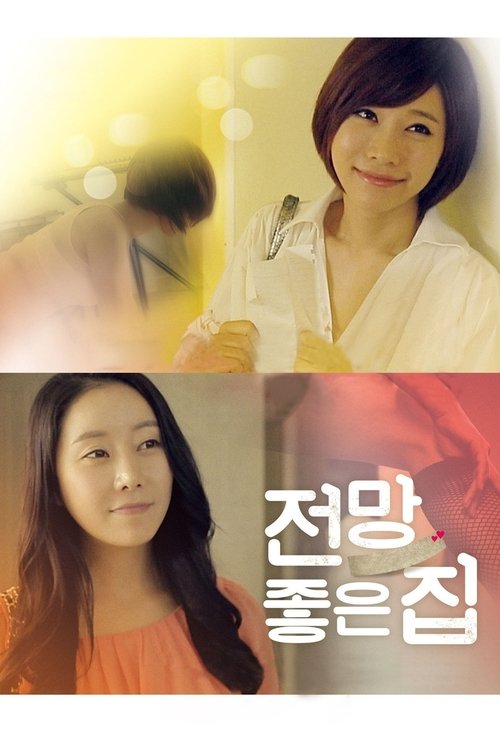
Thanks to her wealthy father, Yoo-jin runs a coffee shop. One day she runs into childhood friend Mi-ae on the streets and they have a good time catching up. Mi-ae is currently unemployed and helps Yoo-jin at the coffee shop. Min-soo stops by the café to see his daughter, but realizes he feels rather too fond of Mi-ae, who welcomes him.
Overall Score
Fair
Category Breakdown
LGBTQ+ Representation
The film lacks explicit non-heteronormative identities or same-sex intimacy. It does, however, hint at emotional connections that disrupt traditional familial boundaries through Min-soo's fondness for Mi-ae.
Gender Representation
Female agency is explored through Yoo-jin’s business management, though her economic power is tied to her father's wealth. The relationship between the two women appears collaborative rather than competitive.
Racial & Ethnic Diversity
The production operates within a culturally homogeneous South Korean framework. It lacks multi-ethnic blending, focusing instead on localized social dynamics within its specific cultural context.
Religious & Cultural Diversity
The narrative offers a subtle critique of class by contrasting a wealthy business owner with an unemployed friend. It focuses more on interpersonal romance than systemic social critique.
Disability Representation
There is no evidence of characters navigating physical, neurodivergent, or mental health disabilities within the narrative.
Strengths
Areas for Improvement
AI Analysis
The film functions primarily as a character study centered on socioeconomic disparity and interpersonal affection. It uses the relationship between a wealthy woman and an unemployed friend to explore how class influences human connection. While the film introduces subtle disruptions to traditional roles—such as Min-soo's unconventional emotional inclinations—it remains largely tethered to conventional genre structures. It avoids systemic challenges to social or gendered hierarchies, opting instead for emotional complexity. Ultimately, the work provides a localized perspective on social dynamics. It succeeds in portraying nuanced female friendships but lacks the explicit representation required to address broader intersectional or identity-based themes.
2017

2018

2016

2019

2019

2020
2012

2020

2018

2020

2017

2020
No reviews yet. Be the first to share your thoughts on this movie!
Use the rating form above to leave a star rating and optional review.