The Collector
1997
No user ratings available yet
Representation score: 1.9 out of 10
Representation Score
Fair
2024
Director
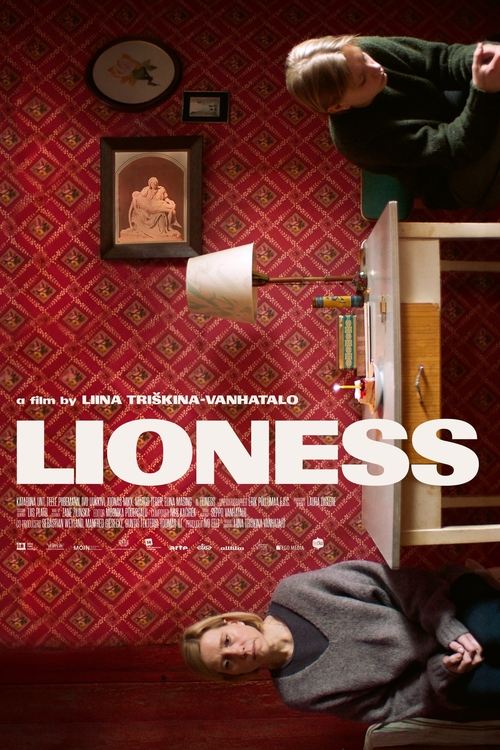
Liina Triškina-Vanhatalo
Runtime
104 minutes
Average Rating
No ratings yetNew Showbiz Analysis
The film opens on a muted, grey Estonian landscape, a visual cue for the isolation that defines its domestic drama. *Lioness* sells the image of a mother, Helena, who must abandon sanity to save her rebellious daughter, Stefi. The camera treats Helena’s endurance as sacred, lingering on her face while framing the men in her life—husband Kaarel and son Paul—as peripheral and emotionally stunted. The film’s argument is that traditional support systems are broken; the father is useless, the son is a liability, and the community is intrusive. This creates a tension between the film’s stated theme of reconciliation and its internal logic, which punishes Helena for her reliance on others. The "victory" of her independence is visually hollow: she is safe, but the social fabric is gone. The ending rewards her survival but punishes her with total isolation, suggesting that self-reliance is a necessity, not a choice. The film does not offer a neat resolution; instead, it presents a pyrrhic victory where the traditional family is exposed as a cage, and the only exit is a lonely, exhausted freedom.
Category Breakdown
The narrative remains strictly heterosexual, focusing on family conflict without queer intimacy. No same-sex relationships or non-binary identities appear in the cast or plot.
Helena anchors the crisis, managing logistics while men like Kaarel and Paul appear emotionally stunted. The film rewards female endurance as the necessary response to male incompetence.
The cast is entirely Estonian, reflecting the film’s specific national context. Non-white characters are absent, treating the local, homogeneous community as the unmarked default.
Traditional family structures and rural bonds are depicted as fragile sources of pressure rather than comfort. The ending suggests self-reliance is the only viable path when support systems fail.
No characters are portrayed with physical, sensory, or cognitive impairments. The narrative focuses on psychological stress and substance use, not disability.
Present on Screen
Limited or Absent
Official Synopsis
When 15-year-old rebellious Stefi goes missing, her mother Helena has nothing left to lose. Why cling to sanity when madness offers a chance for reconciliation and love?
1997
2025

2019

2009

2021

2010

2020

2025
No reviews yet. Be the first to share your thoughts on this movie!
Use the rating form above to leave a star rating and optional review.