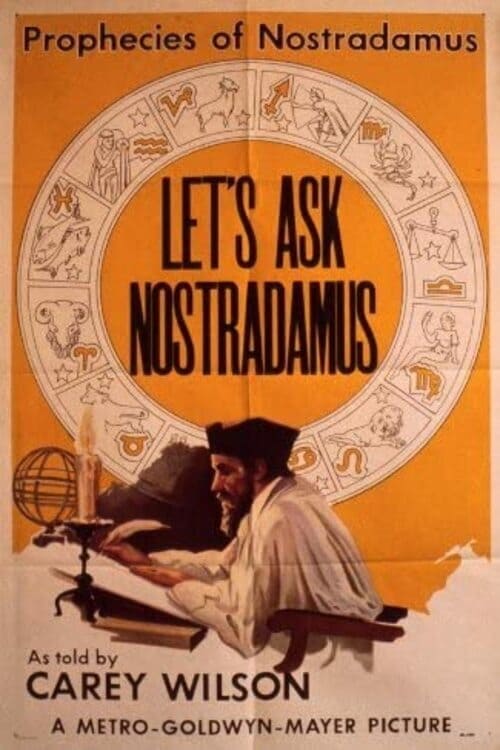
Nostradamus
1938
No user ratings available yet
Representation score: 0.5 out of 10
Representation Score
Minimal
1953
ApprovedDirector
Peter Ballbusch
Runtime
11 minutes
Average Rating
No ratings yetNew Showbiz Analysis
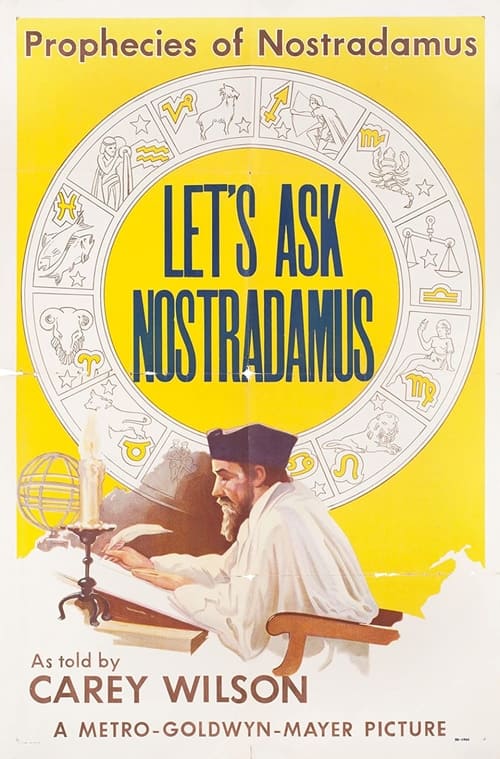
Let's Ask Nostradamus is a product of its 1953 era, adhering to the conventional social and demographic constraints of mid-century filmmaking. The narrative structure is built around traditional patriarchal themes, focusing on the intellectual and familial legacy of a male figure. The film lacks depth in representing diverse identities, prioritizing a homogeneous European perspective aligned with its historical subject matter. It offers little in the way of disrupting established social hierarchies. Ultimately, the work serves as a standard historical drama that reinforces the period's typical demographic and gendered norms.
Category Breakdown
The film focuses on the relationship between Nostradamus and his son. It does not depict any LGBTQ+ identities or narratives.
The story centers on patriarchal lineage and masculine roles. It does not show any women's ability to drive the story or disrupt traditional gender hierarchies.
The narrative likely features a homogeneous European cast centered on French history. It lacks diverse racial representation or perspectives from non-European cultures.
The film explores historical causality and destiny through the French Revolution. It functions as a traditional inquiry rather than a critique of Western institutions.
There is no information available regarding the depiction of physical or neurodivergent disabilities in this production.
Present on Screen
Limited or Absent
Official Synopsis
Nostradamus writes a letter to his young son, and his prophecies are compared to events of the French Revolution.
1938
1944
1942
1953

2022
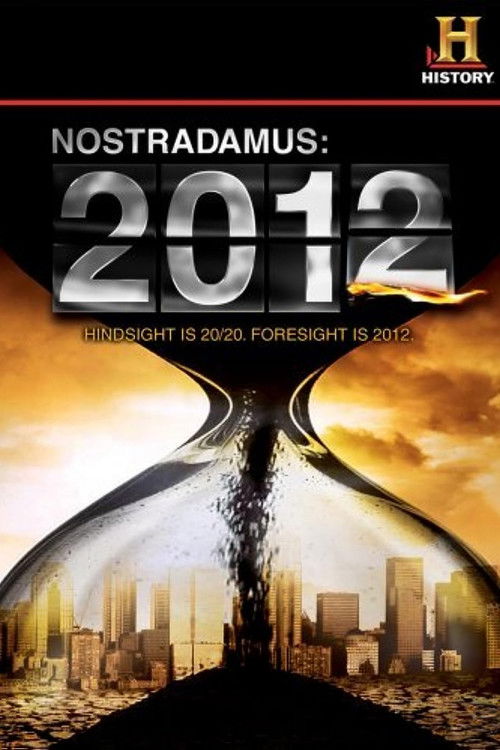
2009
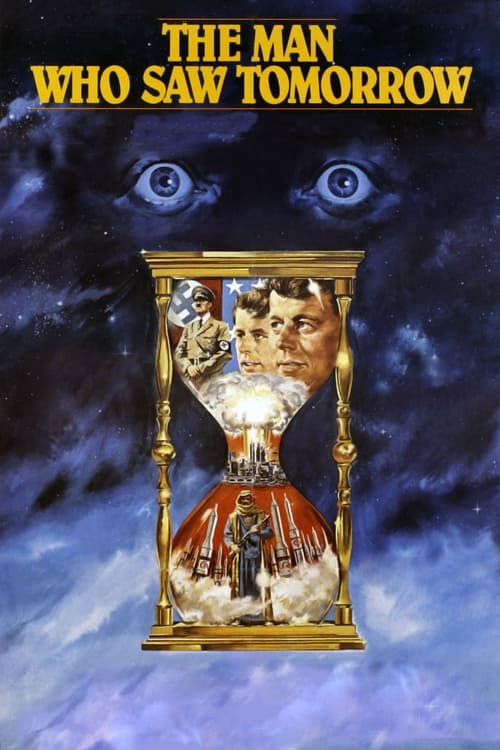
1981
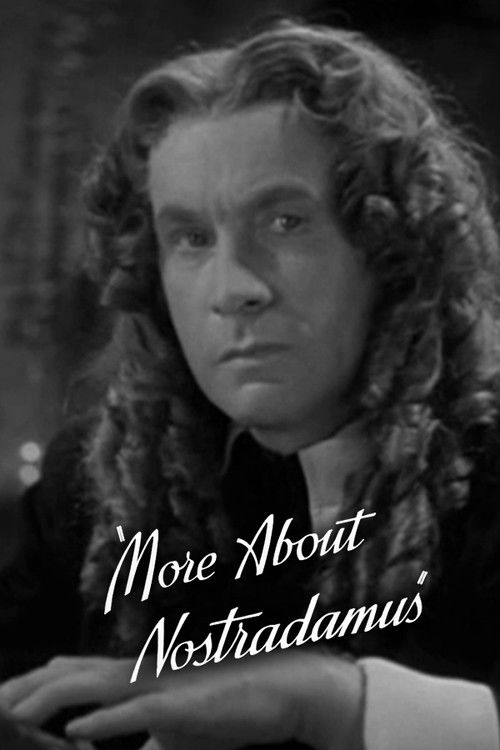
1941
No reviews yet. Be the first to share your thoughts on this movie!
Use the rating form above to leave a star rating and optional review.