Beast
2022
No user ratings available yet
Representation score: 9.4 out of 10
Representation Score
Good
2018
TV-MADirector
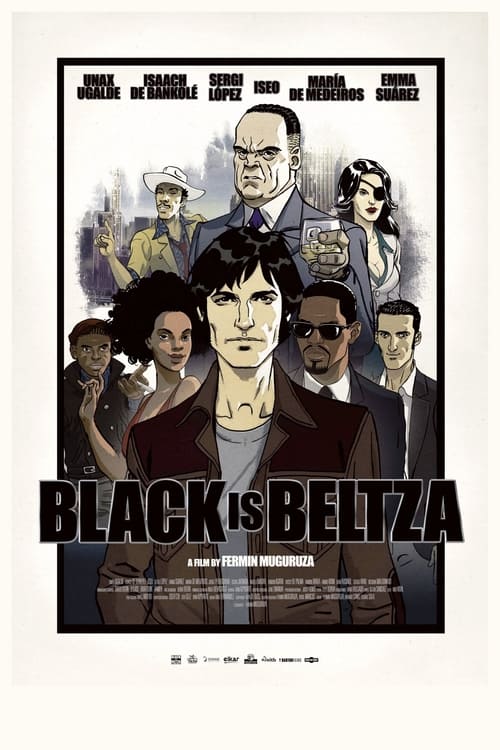
Fermin Muguruza
Runtime
88 minutes
Average Rating
No ratings yetNew Showbiz Analysis
Black Is Beltza is a sophisticated social critique that uses folkloric elements to examine systemic exclusion. By focusing on the banning of Black figures during a traditional parade, the film turns a cultural celebration into a study of racialized policing. The film excels in using metaphor, particularly by highlighting the 'other' within the Basque community. It goes beyond simple inclusion to actively deconstruct the perceived purity of tradition. While the film lacks representation for LGBTQ+ and disability identities, its focused exploration of race, gender, and linguistic preservation creates a potent and intentional narrative.
Category Breakdown
The film doesn't include explicit LGBTQ+ character arcs or non-cisgender identities. The focus is on racial and linguistic identity.
The story centers on a female protagonist named Beltza, offering a nuanced look at women's roles. This shifts the focus away from typical male-dominated historical narratives.
The film uses banned Black giants as a metaphor for systemic racial discrimination. It critiques historical hierarchies within a traditionally white Basque context.
The narrative uses Basque language and local traditions to critique institutional authority. It explores how power structures can suppress cultural expressions.
There is no discernible portrayal of physical or neurodivergent disabilities in this work.
Present on Screen
Limited or Absent
Official Synopsis
New York City, October 10, 1965. A group of wooden giant figures from Pamplona, representing Basque culture and traditions, parade down the street; but the local authorities have not allowed the appearance of all of them: due to the racial prejudices that persist in many sectors of society, the participation of two black giants has been banned.
2022
2018
2013
2019
2014
1989
1932
2014
No reviews yet. Be the first to share your thoughts on this movie!
Use the rating form above to leave a star rating and optional review.