Find another title
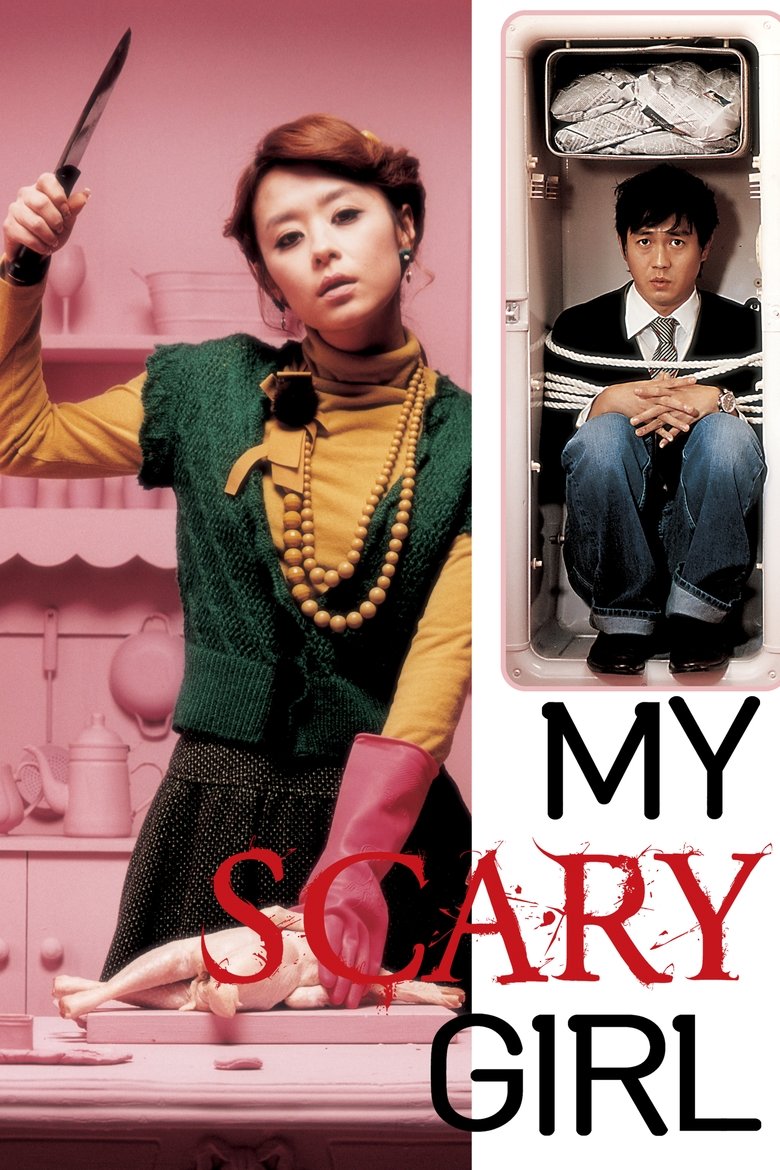
My Scary Girl
2006
RDirector
Son Jae-gon
Runtime
110 minutes
Average Rating
No ratings yetSynopsis
Hwang Dae-woo is an elite with zero experience on having a romantic relationship. One day, he meets a lovely, sophisticated woman and falls in love with her. Then, he encounters a terrifying secret about her.
Where to Watch
Diversity & Representation
Overall Score
Limited
Category Breakdown
LGBTQ+ Representation
The film focuses entirely on a heteronormative romantic obsession. There are no queer narratives or non-cisnormative identities present in the plot.
Gender Representation
The narrative subverts traditional hierarchies by centering a female lead with intense, proactive agency. She dictates the story's momentum rather than acting as a passive romantic interest.
Racial & Ethnic Diversity
Set in Seoul with a primarily South Korean cast, the film maintains a culturally homogeneous environment. It does not engage in diverse racial blending or race-bent casting.
Religious & Cultural Diversity
The story explores psychological instability but avoids critiques of religion or capitalism. It remains a personal drama rather than a systemic socio-political critique.
Disability Representation
Mental instability serves as a plot driver for romantic tension rather than a nuanced portrayal of neurodivergence. These traits risk being used as stylistic devices.
Strengths
- Subverts gendered romantic expectations by granting the female lead significant agency.
- Provides a nuanced, dark exploration of female desire and psychological drive.
Areas for Improvement
- Lacks intersectional breadth by remaining culturally and racially homogeneous.
- Uses mental instability as a plot device rather than an authentic representation of neurodivergence.
- Fails to engage with broader socio-political or systemic critiques.
AI Analysis
My Scary Girl succeeds in disrupting traditional romantic tropes by shifting power dynamics toward the female protagonist. By granting her agency through obsessive and transgressive behavior, the film moves away from the submissive female archetype. However, the film lacks intersectional breadth. It remains culturally homogeneous and focuses on individual psychological complexities rather than broader social or identity-based critiques. The narrow focus on a single heteronormative relationship limits the film's engagement with diverse identities and systemic perspectives.
Rate this Movie
Reviews
No reviews yet. Be the first to share your thoughts on this movie!
Use the rating form above to leave a star rating and optional review.