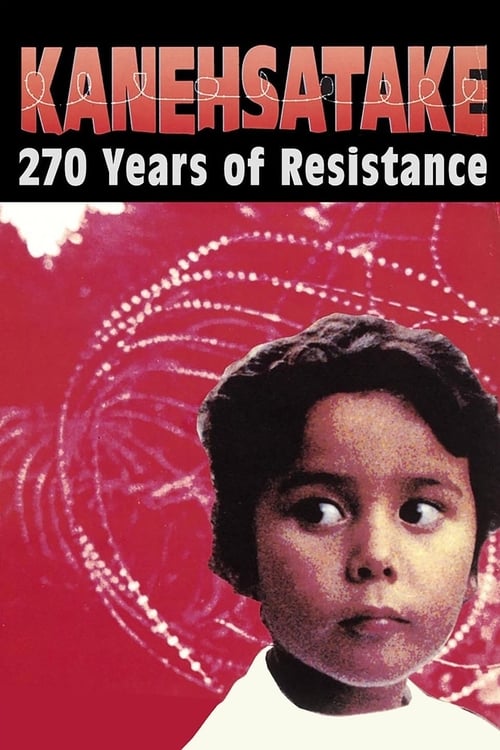
Kanehsatake, 270 Years of Resistance
1993
No user ratings available yet
Representation score: 5.0 out of 10
Representation Score
Fair
1989
PGDirector
George Butler
Runtime
90 minutes
Average Rating
No ratings yetNew Showbiz Analysis
In The Blood is a powerful social commentary that emphasizes the voices of underrepresented communities. It focuses on the Black experience and challenges traditional power structures through its documentary-like style. The film's strength lies in its exploration of how environment and systemic inequality shape human behavior. Instead of blaming individuals, it looks at how the breakdown of state authority affects urban survival. However, the film lacks representation for LGBTQ+ identities and specific disability-focused narratives. This absence narrows its scope despite its strong racial and cultural intentions.
Category Breakdown
The film does not include any LGBTQ+ characters or storylines. It also does not critique the assumption that everyone is straight or cisgender.
Eve, the female lead, challenges traditional gender roles by surviving in a male-dominated violent environment. She actively drives the story rather than being passive.
The film features a mostly Black cast that highlights the Black experience in an urban setting. It uses the lived experiences of Black youth to drive the plot and show systemic inequality.
The narrative criticizes Western institutions by showing systemic poverty as a result of institutional neglect. It portrays street rules as a necessary response to an oppressive, failing environment.
The film does not depict any physical or neurodivergent disabilities. While it explores psychological trauma, no disability is a central part of the story.
Present on Screen
Limited or Absent
Official Synopsis
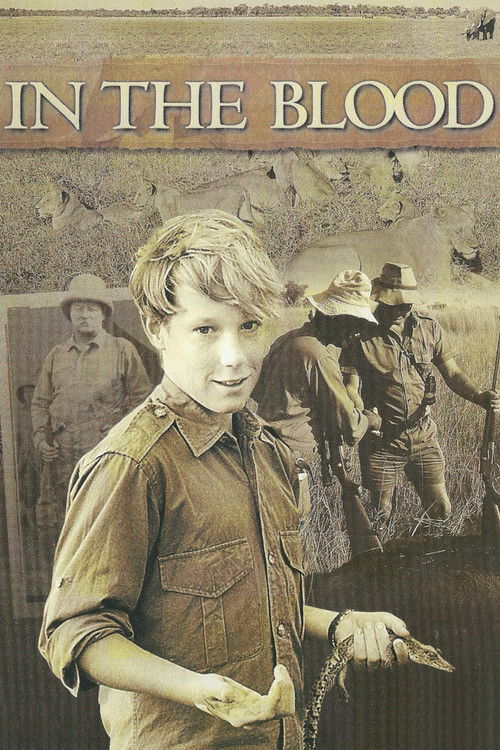
Film starring Tyssen Butler, Robin Hurt, Theodore Roosevelt, R.L. Wilson, Webster Kalipswa, Ray Stanley
1993
2012
1994

2003
1999

2005
2009

2012
No reviews yet. Be the first to share your thoughts on this movie!
Use the rating form above to leave a star rating and optional review.