
Freedom on the Range
2022
No user ratings available yet
Representation score: 3.9 out of 10
Representation Score
Limited
2024
Director
Dana Celeste Robinson
Runtime
105 minutes
Average Rating
No ratings yetNew Showbiz Analysis
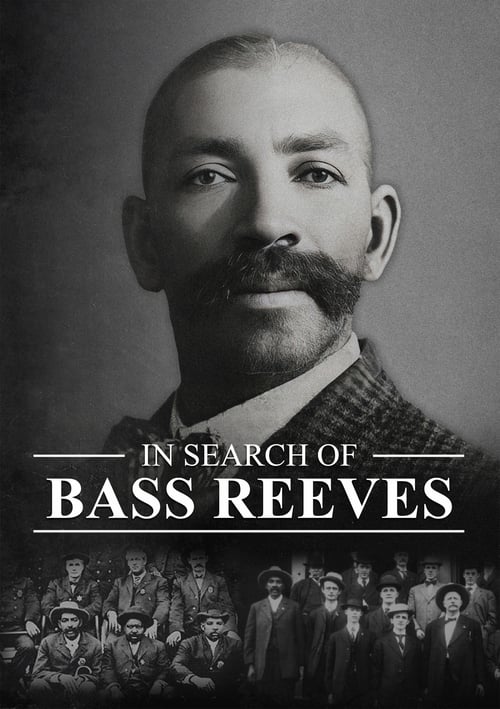
The film opens with archival maps of the Indian Territory, immediately positioning Bass Reeves not as a peripheral footnote but as the central axis of frontier justice. By framing Reeves as the preeminent lawman of the Old West, the documentary dismantles the white-default myth of the cowboy, replacing it with a portrait of a mixed-heritage man who mastered the law in a lawless land. The camera lingers on his badge and his records, treating his competence as the primary evidence of his worth, while the historians’ voices provide the necessary context for his erasure from mainstream history. The sold meaning is one of historical correction: the American West was not exclusively a white domain, and Reeves’ legacy proves that integrity and skill transcended the racial hierarchies of the era. However, the film’s internal logic remains tethered to traditional meritocracy; Reeves is celebrated for his adherence to the law, not for challenging the system that employed him. The ending, a static shot of a memorial, reinforces this by offering historical closure rather than political upheaval. It rewards the viewer with recognition of a forgotten hero, yet it does not fundamentally alter the structure of the narrative, which still relies on the individual exceptionalism of a man within a rigid institutional framework. In the context of 2024’s ongoing reckoning with American history, the film serves as a necessary but conservative correction. It validates the presence of Black and Native figures in the West without disrupting the broader cultural narrative of the frontier. The last image is a respectful, static affirmation of legacy, suggesting that the ultimate prize is not systemic change but the simple, dignified act of remembering.
Category Breakdown
No queer characters or intimacy appear. The narrative focuses exclusively on historical law enforcement and frontier survival, leaving LGBTQ+ identity entirely absent from the frame.
Bass Reeves is the sole moral center, depicted as a competent, stoic lawman. Women appear only as background figures like his mother or wife, lacking agency or professional roles.
The film centers Bass Reeves as a Native American and Black man, challenging the white-default Western myth. It details his specific heritage and the racial dynamics of the frontier justice system.
The narrative critiques the erasure of non-white history from the American West. It frames traditional frontier law as a site of racial complexity, validating marginalized historical figures.
No characters with disabilities are depicted, nor is disability discussed as a thematic element. The focus remains strictly on physical endurance and legal competence.
Present on Screen
Limited or Absent
Official Synopsis
By the end of his illustrious career, Deputy U.S. Marshal Bass Reeves may well have been the preeminent lawman of the Old West. He brought upwards of 3,000 outlaws to justice and served in law enforcement for 32 years during Reconstruction after the Civil War. His story is one of an escape to freedom and the dangers of the West for a former slave who rose to become a legend of the law. Join us as we go in search of Bass Reeves.
2022
2010
2002

2021

2022

2012

1948

2002
No reviews yet. Be the first to share your thoughts on this movie!
Use the rating form above to leave a star rating and optional review.