Klitschko
2011
No user ratings available yet
Representation score: 1.9 out of 10
Representation Score
Limited
2017
TV-14Director
Tim MacKenzie-Smith
Runtime
59 minutes
Average Rating
No ratings yetNew Showbiz Analysis
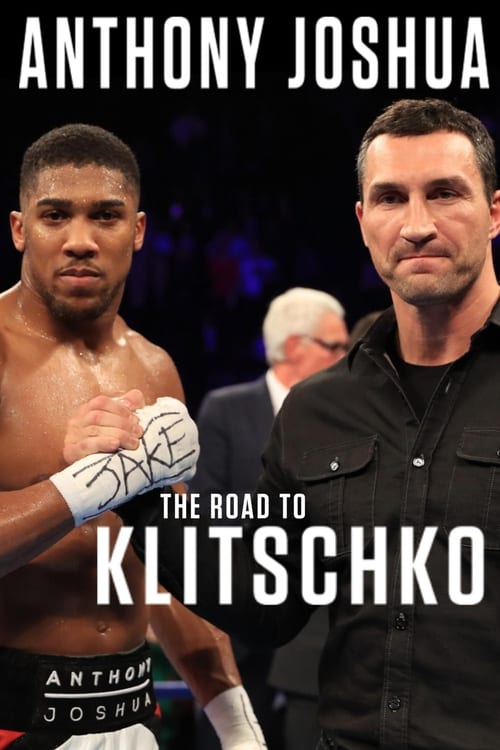
The documentary's strength lies in its centering of a Black athlete, Anthony Joshua, as a figure of undisputed excellence and professional mastery. By documenting his rise to the IBF World Heavyweight championship, the film provides a significant role in driving the story to a person of color in a mainstream global arena. However, the film operates within a very narrow narrative scope. It adheres to traditional sports biography clichés, focusing on hyper-masculinity and meritocratic achievement. This limits its ability to explore broader multi-layered identities or systemic critiques. Ultimately, while the film succeeds in disrupting racial clichés through its protagonist, it lacks diversity in terms of gender subversion, LGBTQ+ representation, or cultural critique.
Category Breakdown
The documentary does not include any visible LGBTQ+ characters or narratives. It focuses on the professional and personal life of a heavyweight boxer within a traditional sporting context.
The film centers on a male protagonist within the hyper-masculine world of professional boxing. It emphasizes traditional masculine pursuits like physical dominance and discipline without challenging gender hierarchies.
The film provides a significant role in driving the story to a Black protagonist, documenting his ascent to the top of a global sport. By centering a person of color in a position of extreme professional power, it disrupts conventional racial clichés.
The narrative follows a traditional biographical structure that celebrates success within established global sporting and economic systems. It emphasizes meritocratic values like work ethic and professional rigor.
There is no information regarding the depiction of visible or invisible disabilities. The focus remains entirely on the athlete's peak physical performance.
Present on Screen
Limited or Absent
Official Synopsis
Follows the IBF World Heavyweight champion over the course of two years as he prepares for the biggest fight of his career, how he rose to the pinnacle of his sport and how he relaxes away from the ring.
2011
2016

2012
2017
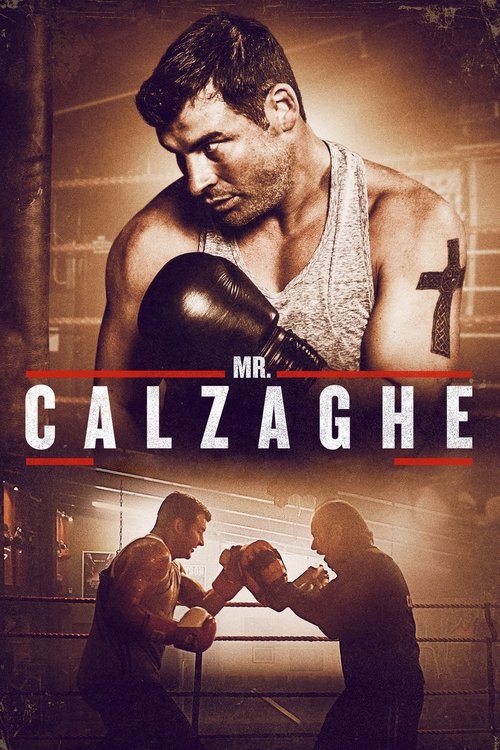
2015
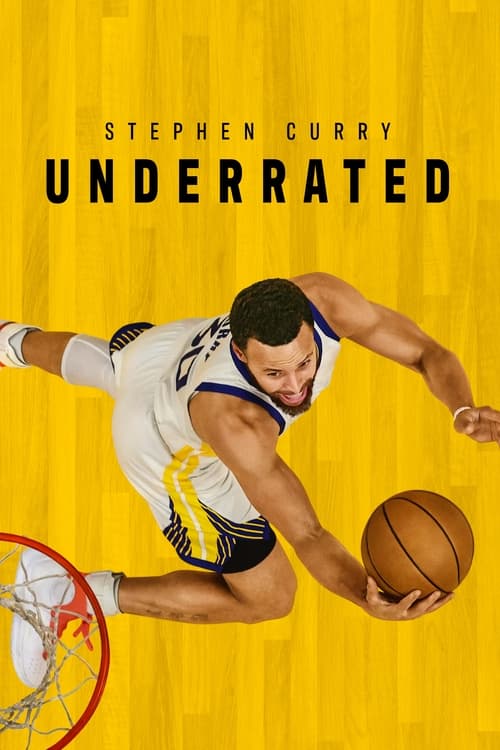
2023
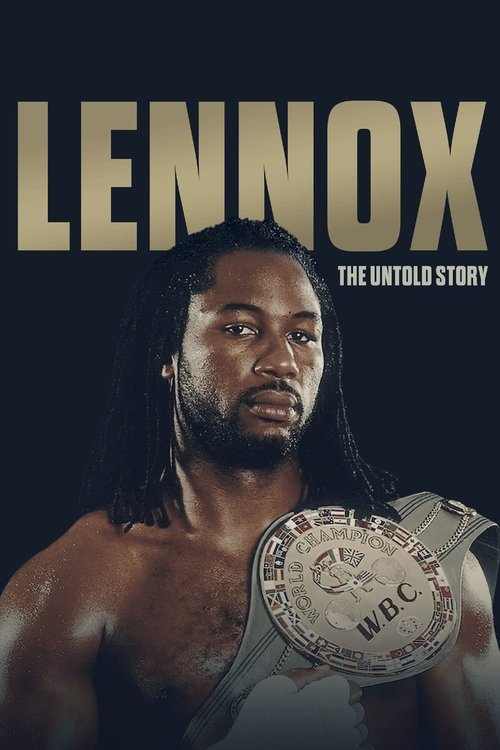
2020
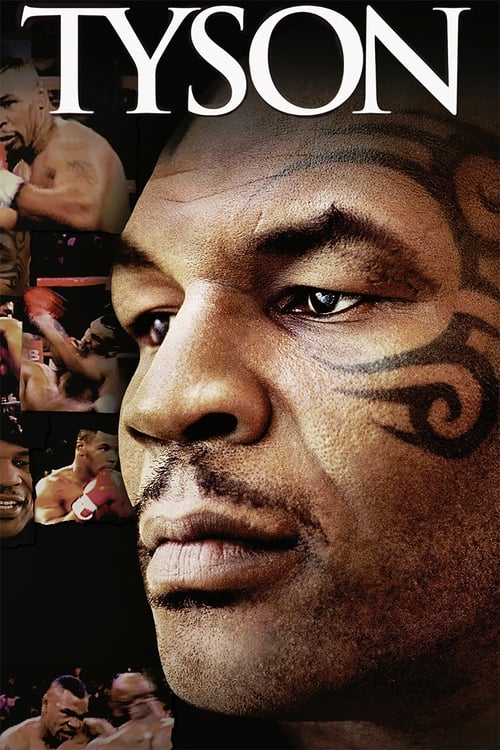
2008
No reviews yet. Be the first to share your thoughts on this movie!
Use the rating form above to leave a star rating and optional review.