
Marion, 13 ans pour toujours
2016
No user ratings available yet
Representation score: 6.8 out of 10
Representation Score
Good
1991
Director
Tsai Ming-liang
Runtime
50 minutes
Average Rating
No ratings yetNew Showbiz Analysis
Tsai Ming-liang’s *Boys* is a sophisticated look at urban isolation that challenges conventional social structures. It focuses on identity and societal critique through a postmodern perspective. The film effectively explores queer desire and authentically portrays the Taiwanese socio-cultural context. By emphasizing non-traditional intimacy and the breakdown of the family, it presents a layered view of human experience. However, the film’s emphasis on male vulnerability leads to a weaker showing in gender representation. While it challenges traditional masculinity, it primarily centers on male psychological struggles.
Category Breakdown
The film delves into male-to-male intimacy and queer desire, highlighting sexual frustration and identity in an urban setting.
Male characters are shown as vulnerable and lonely, challenging the traditional idea of masculinity by focusing on their emotional struggles rather than strength or control.
Set in Taipei, the film showcases an East Asian cast, offering a genuine depiction of a non-Western city during a time of fast development.
The story questions modern consumer culture and breaks down the traditional family structure. It emphasizes personal desires and experiences over established religious or moral standards.
There is no significant evidence of characters with visible or invisible disabilities serving as central plot drivers.
Present on Screen
Limited or Absent
Official Synopsis
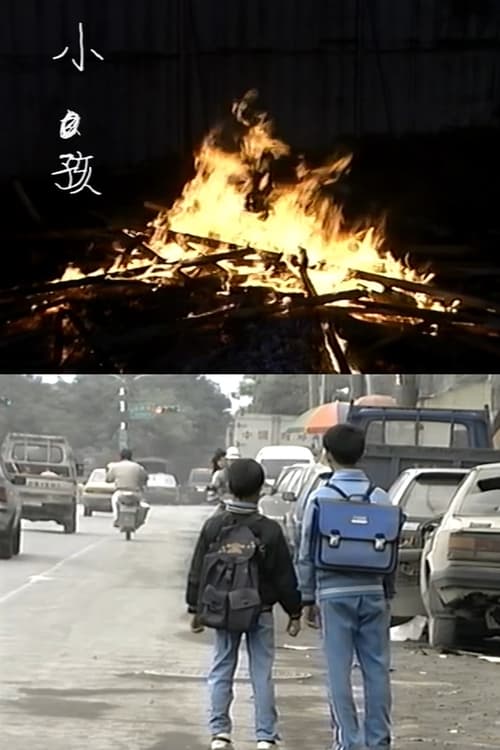
A junior-high student bullies and blackmails a younger boy, then receives the same treatment at the hands of some older students.
2016

1994

2018

2021

2011
2003

2018

2001
No reviews yet. Be the first to share your thoughts on this movie!
Use the rating form above to leave a star rating and optional review.