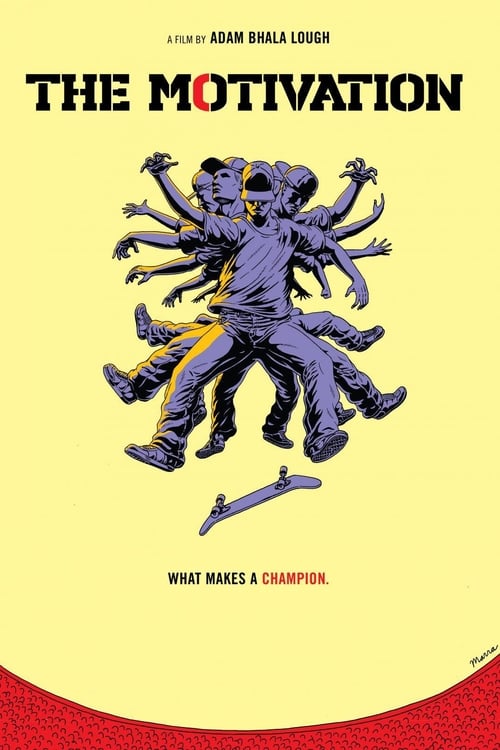
The Motivation
2013
No user ratings available yet
Diversity score: 4.8 out of 10

2022
Director
Max Eriksson
Runtime
106 minutes
Average Rating
No ratings yetSynopsis
In Max Eriksson’s audacious debut, Swedish skateboarding prodigy Ali Boulala—alongside other pros like Rune Glifberg and Arto Saari—looks back on the DIY videos and fast-paced lifestyle of his coming-of-age in the ’90s skating scene.
Overall Score
Fair
Category Breakdown
LGBTQ+ Representation
The film lacks explicit evidence of LGBTQ+ identities or non-heteronormative relationships. The narrative focuses primarily on the professional trajectories and lifestyles of specific athletes.
Gender Representation
The documentary centers on a male-dominated subculture, reflecting the historical demographics of 1990s skateboarding. There is no visible evidence of female agency or the deconstruction of traditional masculinity.
Racial & Ethnic Diversity
By centering Ali Boulala, a figure of North African and Swedish descent, the film disrupts monolithic Anglo-Saxon narratives in sport. It offers a nuanced look at identity within the DIY scene.
Religious & Cultural Diversity
The film explores a DIY ethos that challenges mainstream capitalist structures in favor of grassroots movements. It prioritizes subjective, non-institutionalized lifestyles over corporate athletic hierarchies.
Disability Representation
There is no information regarding the portrayal of physical or neurodivergent disabilities within the film's narrative.
Strengths
Areas for Improvement
AI Analysis
The documentary serves as a specialized cultural document of the 1990s skateboarding scene. It finds its strength in disrupting the expected Anglo-centric history of the sport by centering a North African/Swedish protagonist. This provides a more diverse perspective on subcultural identity than traditional sports media. However, the film remains limited by the historical demographics of its subject matter. The focus on a male-dominated professional circle results in low gender diversity and a lack of visible LGBTQ+ representation. It functions more as a niche historical archive than a tool for social subversion. Ultimately, the film's value lies in its celebration of anti-institutional, DIY lifestyles. While it does not actively tackle intersectional politics, it elevates non-traditional personal narratives within a specific subcultural framework.
2013
2013
1999
2015
2012
1997

2018
2012
2021
2015
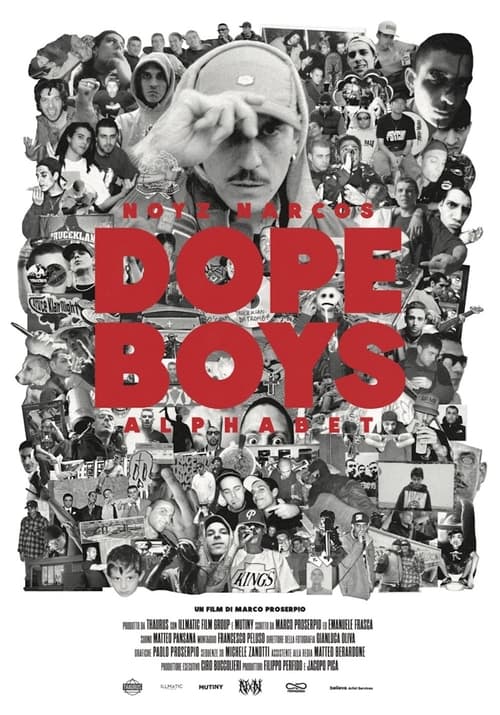
2021
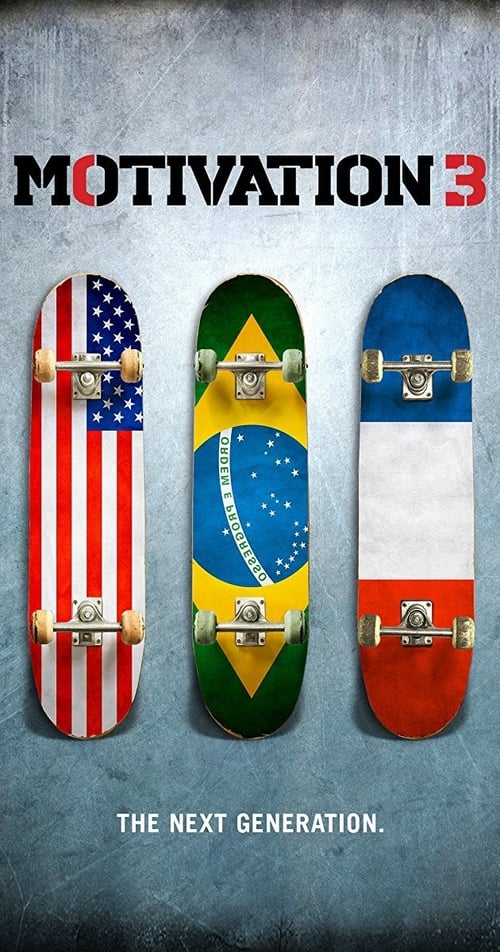
2017
No reviews yet. Be the first to share your thoughts on this movie!
Use the rating form above to leave a star rating and optional review.