David Copperfield: Illusion
2004
No user ratings available yet
Representation score: 0.6 out of 10
Representation Score
Limited
1985
Director
Orson Welles
Runtime
27 minutes
Average Rating
No ratings yetNew Showbiz Analysis
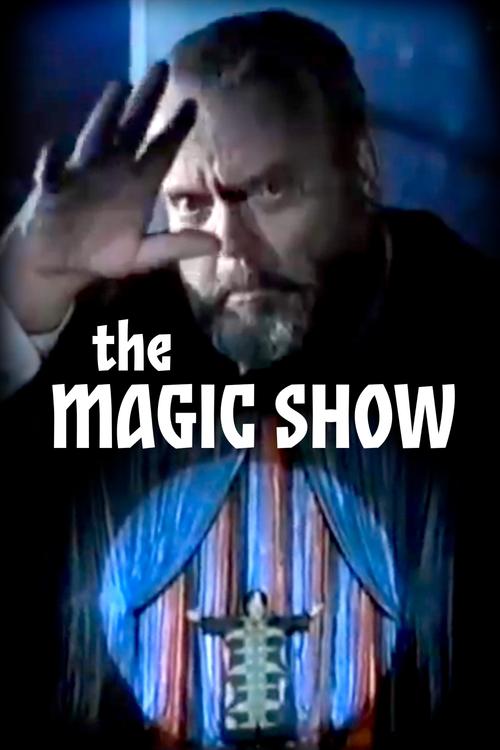
The film is a non-narrative television special featuring magic performances and personal reflections. It lacks fictional characters, plot arcs, or social dynamics that typically drive representation analysis. The on-screen content consists of demonstrations, historical anecdotes, and Welles' direct address to the camera. The cast is limited to Welles, a few assistants, and occasional guests, all performing or observing. There are no diverse life experiences or social structures depicted. The material functions as a performance piece and documentary-style monologue. Consequently, the diversity scores reflect the absence of narrative elements rather than active exclusion. The focus remains strictly on the mechanics of illusion and Welles' personal history with magic.
Category Breakdown
No LGBTQ+ characters, relationships, or identities appear on screen. The content focuses entirely on magic performance and historical anecdotes. There is no depiction of sexual orientation or gender identity.
Angie Dickinson appears as a magician's assistant in several segments. The rest of the cast consists of male performers and guests. Gender roles are limited to the specific function of assisting in magic tricks.
The cast is primarily white, including Orson Welles and his assistants. No racial or ethnic diversity beyond this primary group is shown. The focus remains on the magic demonstrations and Welles' monologues.
Welles discusses the history and mechanics of magic in a monologue. He shares his personal connection to the art form and Houdini. The cultural context is centered on the history of illusion and performance.
No disabled characters or ongoing disability themes appear on screen. The content does not address physical or cognitive differences. The focus is on the skill and mechanics of magic tricks.
Present on Screen
Limited or Absent
Official Synopsis
Welles had a lifelong interest in magic, having been taught his first magic tricks by Harry Houdini in the 1920s, when Welles was still a boy. In this unfinished television special, filmed between 1976 and 1985, Welles performs various magic tricks for the camera, promising that no trick photography is used.
2004
2014
2012
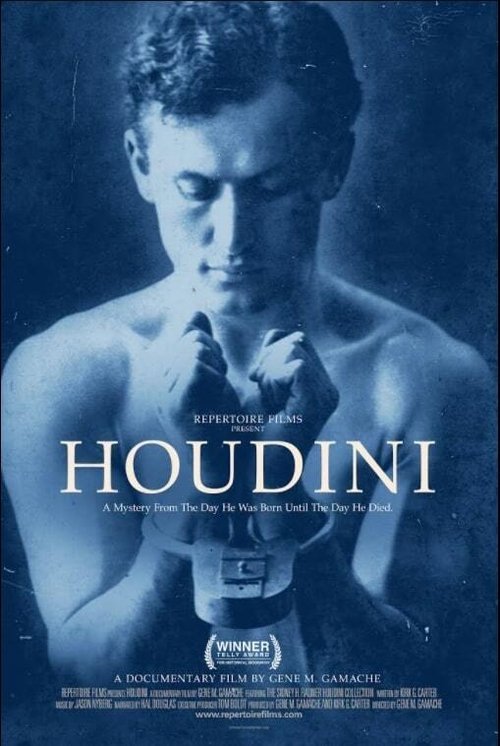
1996
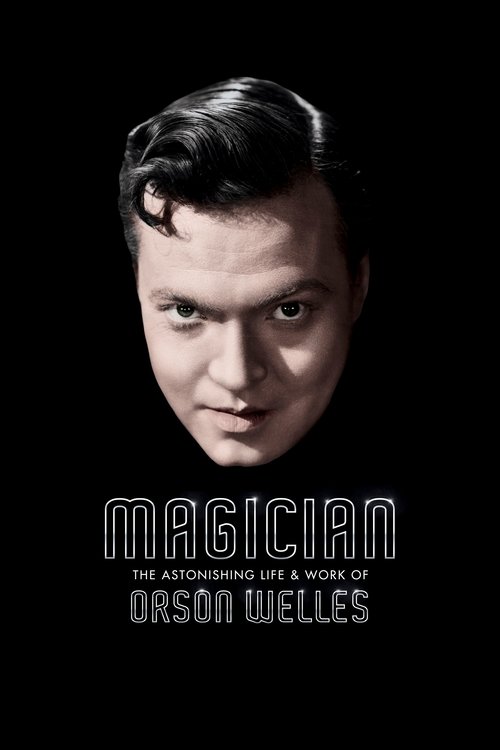
2014
2006
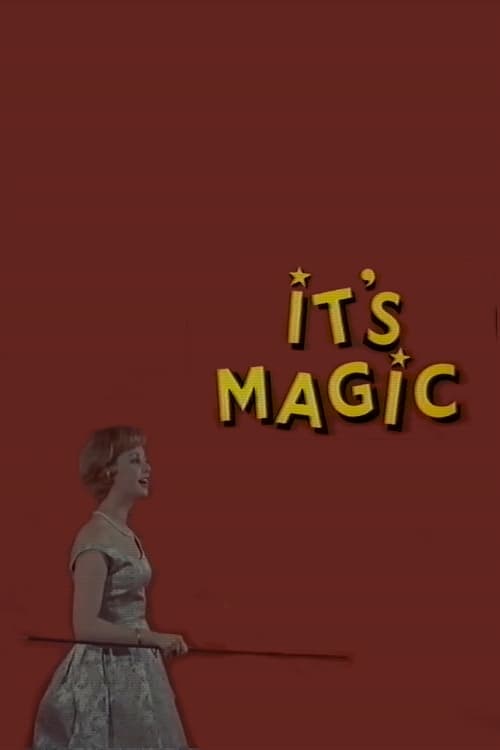
1962
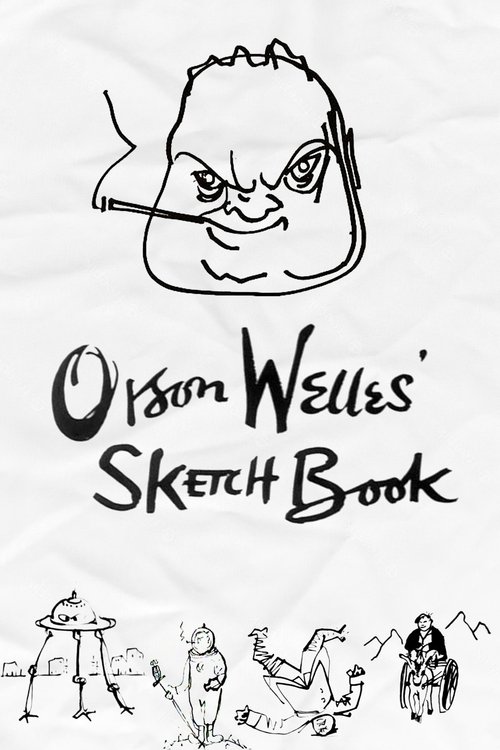
1955
No reviews yet. Be the first to share your thoughts on this movie!
Use the rating form above to leave a star rating and optional review.