
Flesh for Olivia
2002
No user ratings available yet
Representation score: 3.3 out of 10
Representation Score
Limited
2012
RDirector
Rebekah Chaney
Runtime
93 minutes
Average Rating
No ratings yetNew Showbiz Analysis
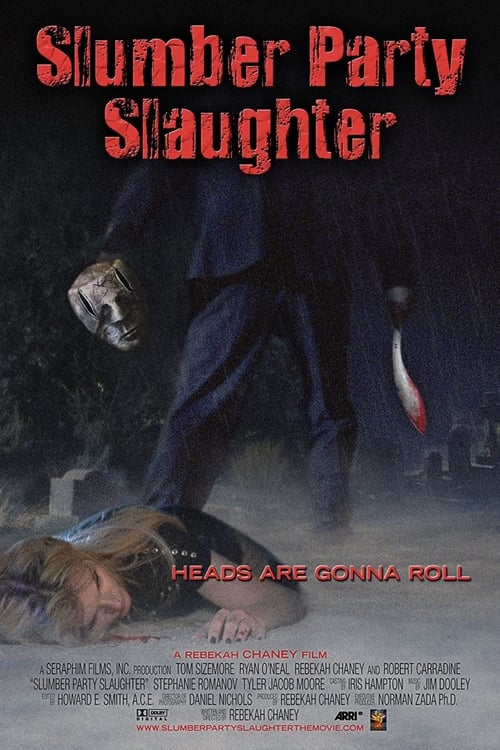
Slumber Party Slaughter operates as a conventional genre-driven thriller that relies heavily on established clichés. The narrative structure prioritizes a male-centric perspective, positioning women as subjects of voyeurism rather than complex individuals. Representation is notably limited across most categories. The film lacks visible LGBTQ+ identities and favors a Western, white casting profile. The conflict is driven by individual character pathologies rather than any meaningful exploration of systemic or cultural issues. Ultimately, the film does not attempt to challenge social hierarchies. It functions within the standard boundaries of independent horror, offering little in the way of diverse storytelling.
Category Breakdown
The film does not include any explicit LGBTQ+ characters or explore non-cisgender identities. The narrative focuses on thriller elements rather than queer identities.
The story centers around a male protagonist and mogul, with female characters appearing to serve as objects of voyeurism rather than active participants.
Character names suggest a predominantly white, Western cast. There is no evidence of racial diversity or non-Anglo-Saxon representation.
The plot explores individual pathology and sadism without addressing cultural or institutional critiques. It adheres to standard thriller conventions without challenging Western morality.
There is no information available regarding the inclusion of characters with visible or invisible disabilities.
Present on Screen
Limited or Absent
Official Synopsis
Academy Award winning actor Tom Kingsford visits a bizarre strip club owned by real estate mogul William O'Toole, a sadistic voyeur.
2002

2024

2015

2017

2005

2017

1973
2015
No reviews yet. Be the first to share your thoughts on this movie!
Use the rating form above to leave a star rating and optional review.