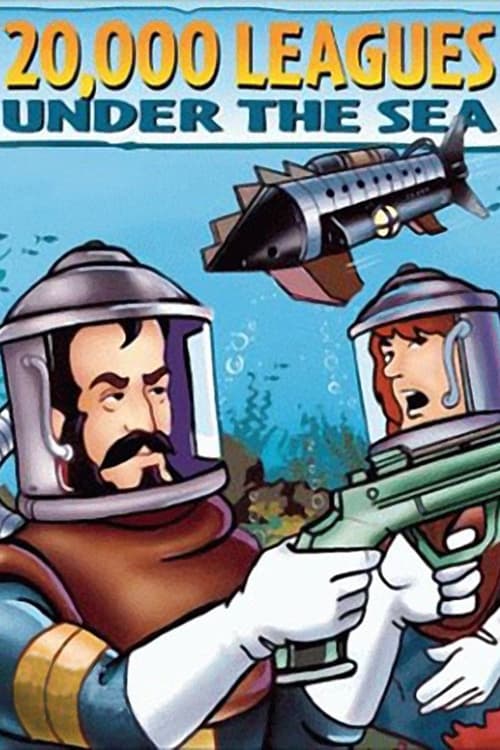
20,000 Leagues Under the Sea
1985
No user ratings available yet
Representation score: 2.9 out of 10

Representation Score
Fair
2004
GDirector
Scott Heming
Runtime
74 minutes
Average Rating
No ratings yetNew Showbiz Analysis
This animated adaptation of the Jules Verne classic relies on a single character arc to explore progressive themes. The central narrative involves a woman adopting a male identity, disrupting conventional gender roles in a high-stakes adventure setting. However, the film’s broader structure follows traditional adventure clichés. While the gender subversion is present, the lack of information about racial diversity or deeper character development limits the overall impact. Ultimately, the production functions as a typical adventure tale that uses gender disguise as a plot device rather than a deep exploration of identity.
Category Breakdown
The story includes a character who adopts a male identity to survive the journey. It is unclear whether this portrayal highlights a core identity or serves as a survival strategy.
A young woman disguised as a man challenges traditional gender roles. By placing a female character in a traditionally male role, the film questions the assumption that only men can be competent adventurers.
The narrative focuses on Captain Nemo and his captive companions. There is no specific information about the racial makeup of the cast or crew.
The film centers on themes of individual exploration and a reclusive genius. Captain Nemo’s existence outside societal norms suggests a critique of traditional authority structures.
The film does not include any characters with visible or invisible disabilities.
Present on Screen
Limited or Absent
Official Synopsis
The larger-than-life Jules Verne adventure about reclusive genius Captain Nemo, his magnificent submarine, The Nautilus, and the perilous voyage he makes with a group of captive adventurers, one of which is a brave young woman disguised as a man.
1985
1954

1997

2001

2007

2010

1995

2002
No reviews yet. Be the first to share your thoughts on this movie!
Use the rating form above to leave a star rating and optional review.