The Guest House
2017
No user ratings available yet
Representation score: 1.6 out of 10
Representation Score
Minimal
2009
Director
Robert-Adrian Pejo
Runtime
88 minutes
Average Rating
No ratings yetNew Showbiz Analysis
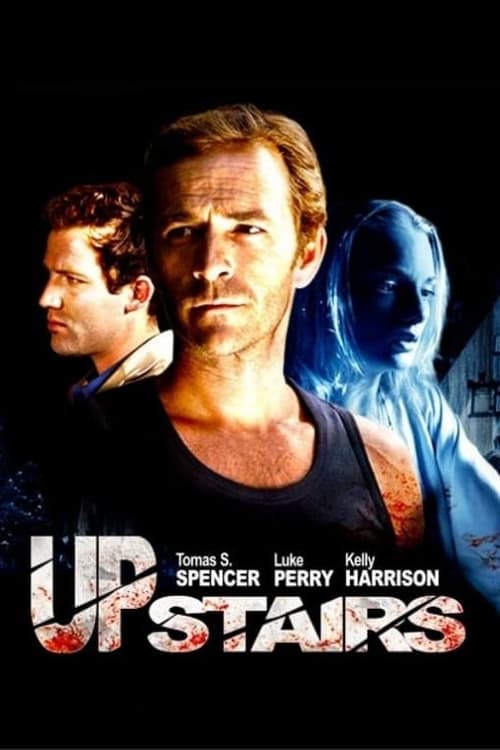
Upstairs operates within the narrow confines of a traditional psychological thriller. While it centers on a female protagonist, the narrative heavily relies on established clichés of vulnerability and economic hardship. The film lacks meaningful representation across almost every aspect of diversity. There is no visible presence of LGBTQ+, racial, or disability representation, making the cast and themes quite homogeneous. Ultimately, the film prioritizes individual suspense and survival over exploring broader cultural or systemic issues.
Category Breakdown
The film does not include any LGBTQ+ characters or non-cisgender identities. The main conflict follows a traditional thriller structure without addressing assumptions about straight relationships.
Grace Stearn offers a female-focused perspective, though her role is constrained by financial troubles. The storyline depends on a predator-victim dynamic that reinforces traditional gendered vulnerability clichés.
There is no indication of a diverse cast or racial complexity. The narrative centers on the protagonist's socioeconomic hardships.
The story examines the fragility of economic and family structures. It functions as a typical psychological thriller without critiquing Western institutions.
The film does not feature any characters with physical, neurodivergent, or mental health disabilities portrayed with significant influence.
Present on Screen
Limited or Absent
Official Synopsis
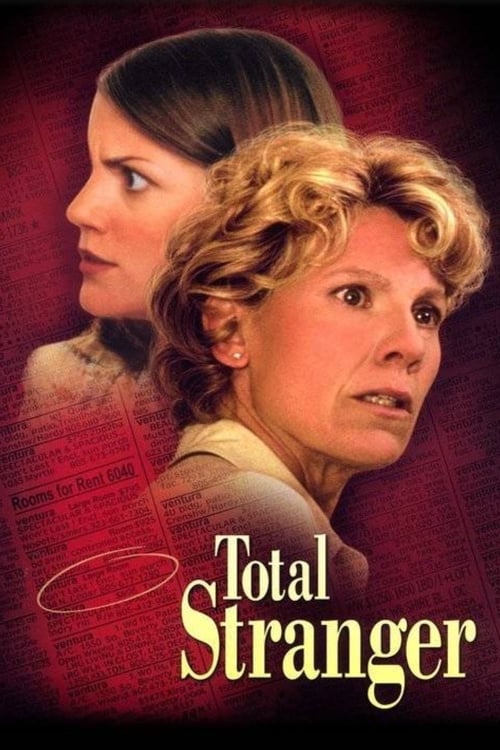
Grace Stearn, left in debt after her father's death, rents a room to a stranger named Ward Weaver not knowing that he is a murderous psychopath.
2017
2005

1990

2013
2000

2011

2018
1999
No reviews yet. Be the first to share your thoughts on this movie!
Use the rating form above to leave a star rating and optional review.