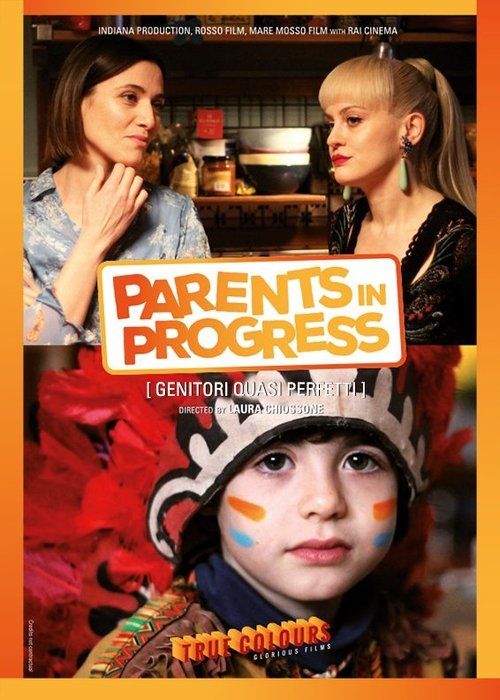
Parents in Progress
2019
No user ratings available yet
Representation score: 5.9 out of 10

Representation Score
Good
2025
Director
Michela Andreozzi
Runtime
103 minutes
Average Rating
No ratings yetNew Showbiz Analysis
Unicorni is a thoughtful comedy that explores the tension between private progressive values and public social performance. By focusing on a child's gender expression, the film goes beyond surface-level representation to delve into the systemic pressures of conformity. The film effectively dismantles traditional family hierarchies. It replaces rigid roles with a more flexible model of parenting, using the tension between domestic acceptance and public scrutiny to drive its emotional core. While the film excels in critiquing gender and cultural norms, it lacks specific information about racial dynamics or physical disability representation. It primarily studies modern, non-traditional social identities.
Category Breakdown
The film focuses on Blu, a child whose desire to wear a Little Mermaid costume drives the narrative. This places gender non-conformity at the heart of the story, making it a central theme rather than a minor plot point.
Lucio’s character explores progressive masculinity, challenging traditional male authority through his interactions with social scrutiny. Elena’s portrayal delves into the complexities of feminine emotion, moving beyond simple stereotypes to examine emotional dependency.
The narrative emphasizes class and gender issues. Although the cast includes diverse actors like Thony, there are no explicit racial themes in the current material.
The story critiques traditional Western institutions such as the nuclear family and the school system. It highlights communal identity through the 'Unicorn Parents' support network.
The film does not explicitly depict physical disabilities. However, it addresses mental health and psychological complexity through the presence of a compassionate psychologist.
Present on Screen
Limited or Absent
Official Synopsis
Lucio, the host of a popular radio show, is confident, charismatic, and holds progressive views. He is married to the beautiful Elena, who is insecure and emotionally dependent on her husband. Together, they form a harmonious blended family (which includes Lucio’s first wife and daughter) and have one child together: Blu, a 9-year-old who loves dressing in girls’ clothes and is allowed to do so—by both mom and dad—but only at home. When the school play comes around, however, Blu is determined to wear a Little Mermaid costume on stage. His parents, caught between their desire to support him and their instinct to protect him, find themselves confronting the limits of their open-mindedness. They embark on a journey of self-awareness and acceptance, joined by a diverse group of “Unicorn Parents” led by a compassionate psychologist.
2019
2022

2017
1978

2024
2023

2015
2024
No reviews yet. Be the first to share your thoughts on this movie!
Use the rating form above to leave a star rating and optional review.