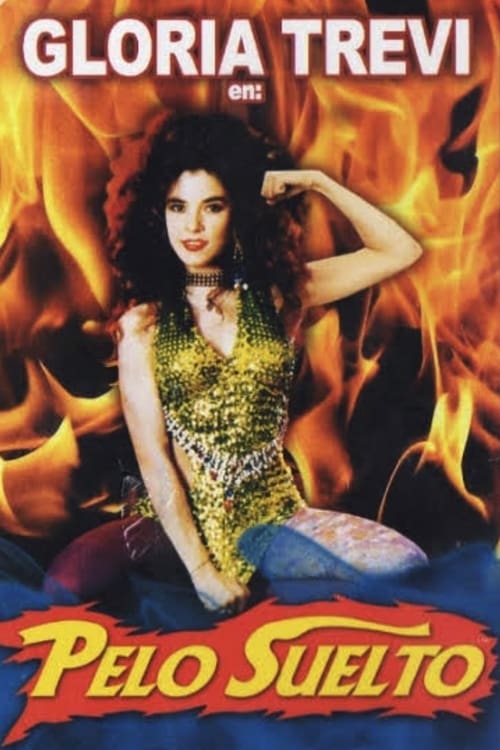
Pelo suelto
1991
No user ratings available yet
Diversity score: 5.7 out of 10

1984
Not RatedDirector
David Markey
Runtime
60 minutes
Average Rating
No ratings yetSynopsis
Two girls rediscover their love for playing rock, find a drummer and begin practicing. When one of their mothers intervenes, they run away from home and are forced to fend for themselves on the streets against gangs and rival bands. Soon they are discovered and taken under the wing of rock manager Johnny Tremaine (played by Steven McDonald) who uses them for sex and his own aspirations of wealth. The Love Dolls set out to get revenge on those who have wronged them, and rise to the top of the rock world.
Overall Score
Good
Category Breakdown
LGBTQ+ Representation
The film utilizes a punk aesthetic that fosters queer-adjacent social spaces. It prioritizes female intimacy and desire, disrupting traditional heteronormative expectations.
Gender Representation
The narrative centers on female agency and rebellion. Protagonists evolve from victims of exploitation into active agents of their own professional ascent and revenge.
Racial & Ethnic Diversity
The film focuses on a specific subcultural demographic with little evidence of multi-ethnic casting. It emphasizes class and punk identity over racial intersectionality.
Religious & Cultural Diversity
The story critiques Western institutions like the nuclear family and predatory capitalist industries. It embraces a DIY, anti-establishment ethos as a form of empowerment.
Disability Representation
There is little evidence regarding the depiction of disabilities. The focus remains on socio-economic and gendered struggles rather than specific character arcs for disability.
Strengths
Areas for Improvement
AI Analysis
Desperate Teenage Lovedolls succeeds as a subversive piece of underground cinema that prioritizes female subjectivity. By centering the narrative on the protagonists' journey from exploitation to empowerment, it effectively deconstructs patriarchal control within the music industry. However, the film lacks breadth in its representation of racial and disability-related identities. The focus remains tightly locked within a specific, largely Anglo-centric punk subculture, leaving little room for broader intersectional exploration. Ultimately, the film is a powerful critique of institutional corruption and traditional social hierarchies, driven by a strong DIY spirit and a rejection of mainstream commercialism.
No reviews yet. Be the first to share your thoughts on this movie!
Use the rating form above to leave a star rating and optional review.