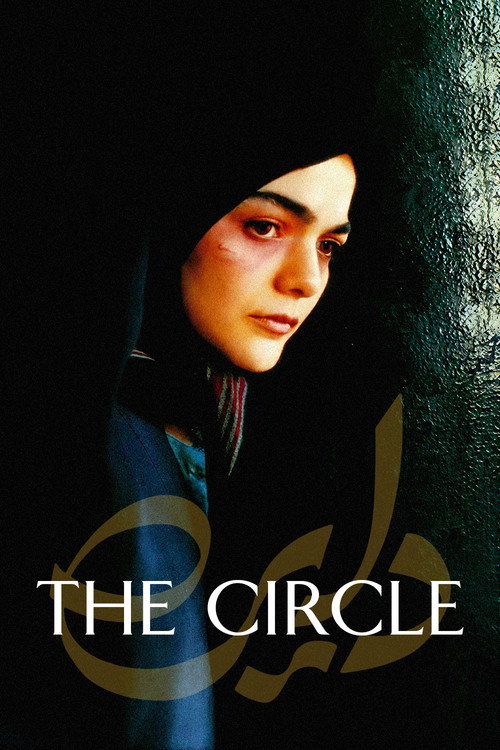
The Circle
2000
No user ratings available yet
Representation score: 8.9 out of 10

Representation Score
Good
2011
Director
Mania Akbari
Runtime
79 minutes
Average Rating
No ratings yetNew Showbiz Analysis
The film provides a sophisticated critique of how gendered expectations intersect with systemic societal structures. By shifting the focus from a woman's external appearance to her internal autonomy, the work successfully disrupts traditional clichés. The film challenges the commodification of the female form and established cultural hierarchies, moving the narrative toward a more nuanced exploration of selfhood. While the film offers strong progressive themes regarding gender and culture, specific details regarding LGBTQ+ identities and disability representation remain unconfirmed or absent.
Category Breakdown
The film critiques strict standards of beauty and social customs that favor straight relationships. While specific LGBTQ+ identities are not explicitly detailed, the narrative hints at the possibility of exploring non-conforming identities.
The story focuses on a woman's journey to gain self-confidence against societal beauty standards. It challenges traditional hierarchies by emphasizing a woman's ability to drive the story and her emotional autonomy over external validation.
The film presents a non-Western perspective that challenges Anglo-centric cinematic norms. It offers a nuanced look at social customs outside of the Western tradition.
The narrative criticizes traditional institutions and the oppressive nature of rigid social hierarchies. It adopts an anti-traditionalist stance that prioritizes personal truth over institutional norms.
There is no explicit evidence regarding the portrayal of physical or neurodivergent disabilities in the narrative.
Present on Screen
Limited or Absent
Official Synopsis
In a society where all social customs are based on the beauty of a woman, her challenge is to find self confidence and inner beauty despite having lost her physical beauty.
2000
2004
1999

2005

2023
2021

2013
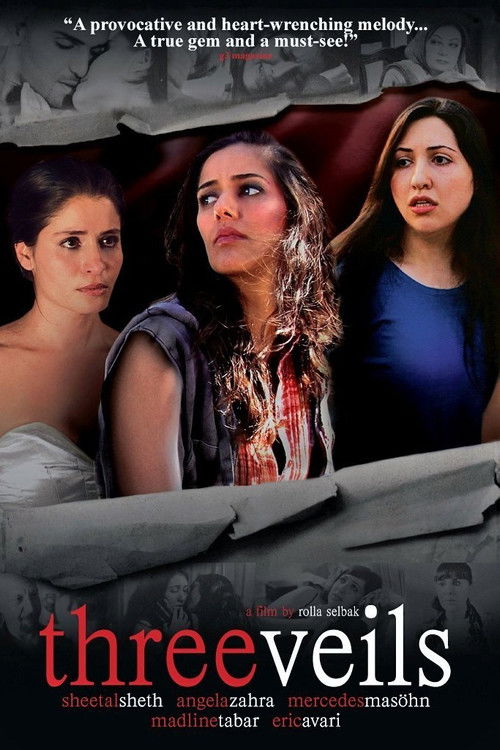
2011
No reviews yet. Be the first to share your thoughts on this movie!
Use the rating form above to leave a star rating and optional review.