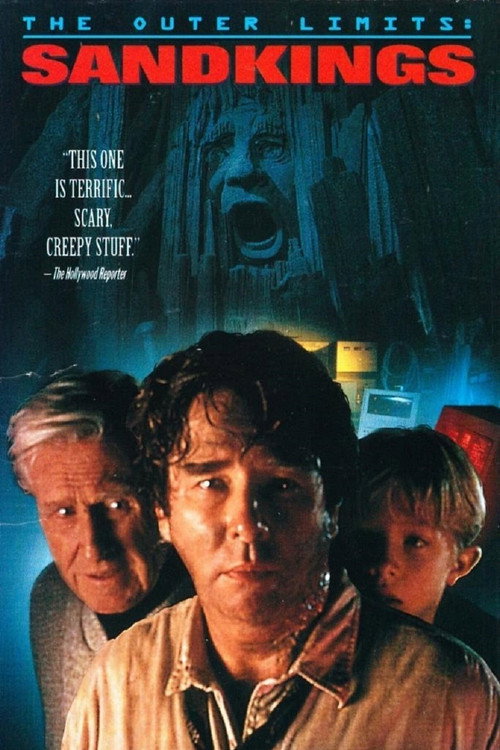
Sandkings
1995
No user ratings available yet
Representation score: 1.4 out of 10

Representation Score
Minimal
1965
Director
David L. Hewitt
Runtime
78 minutes
Average Rating
No ratings yetNew Showbiz Analysis
The Wizard of Mars is a classic 1960s genre film that upholds the social and demographic norms of its time. The narrative centers on survivalist and space-race adventure clichés without offering social commentary or exploring diverse identities. Characterizations rely on well-established archetypes, particularly regarding physical traits and gender roles. The film operates as a standard science fiction production of the 1960s, failing to disrupt conventional hierarchies or explore varied identities.
Category Breakdown
The film does not include any LGBTQ+ characters or non-cisgender identities. The interpersonal relationships follow a typical crew dynamic without showing any same-sex relationships.
Dorothy is part of the crew, but the story remains dominated by male characters. The film upholds the traditional gender hierarchy of the 1960s without challenging male-centric leadership.
The casting reflects the demographic uniformity common in 1960s genre films. The alien inhabitants are portrayed as sci-fi clichés rather than nuanced representations of racial or ethnic diversity.
The storyline follows a traditional Western framework focused on exploration and survival. It does not question Western institutions or introduce significant moral relativism.
Physical characteristics such as 'overweight Doc' or 'wooden Steve' serve as character types. Characters with disabilities are not shown to have complex or non-stereotypical identities.
Present on Screen
Limited or Absent
Official Synopsis
In 1974, four astronauts, silver shoe-clad Dorothy, overweight Doc, goofy Charlie, and wooden Steve, crash land on Mars when taking readings, with only four days of supplies. They must try to survive on the surface, which is barren except for some canals with huge maggots with fins. After embarking through a golden igneous cavern, braving a storm and finding an unmanned Earth vessel, they discover a golden road which leads them to the unchanging ruins of what was once a beautiful Martian city. The Martians are modeled on the Flatheads of Oz, and their collective consciousness, the "Wizard," forbids them to leave until they perform a very small task...
1995
1955
1962

1964
1958

1957
1958

1953
No reviews yet. Be the first to share your thoughts on this movie!
Use the rating form above to leave a star rating and optional review.