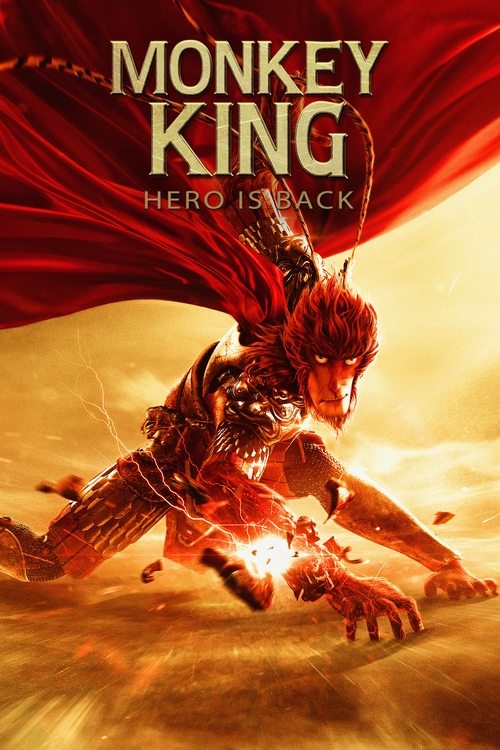
Monkey King: Hero Is Back
2015
No user ratings available yet
Representation score: 3.2 out of 10

Representation Score
Fair
2015
PG-13Director
Li Yi
Runtime
96 minutes
Average Rating
No ratings yetNew Showbiz Analysis
The film successfully challenges traditional heroic archetypes by placing a young female protagonist at the center of its epic narrative. This shift in leadership challenges patriarchal power dynamics through Zhuma's role. The speculative, post-apocalyptic setting provides a rich environment for exploring cultural diversity. By featuring various humanoid tribes, the narrative moves away from monolithic identities toward a more inclusive social mosaic. However, the film remains limited in its exploration of specific identity politics. The absence of LGBTQ+ narratives and disability representation prevents a more comprehensive diversity profile.
Category Breakdown
The film does not include explicit depictions of LGBTQ+ identities or same-sex relationships. It focuses on a central quest and the gathering of tribal allies rather than individual identity stories.
Zhuma, a ten-year-old girl, serves as the main heroine and leader of change. This position challenges traditional masculine leadership by emphasizing female intuition and ability to act.
The film features a post-technological setting with a variety of humanoid tribes. The inclusion of a Tibetan Mastiff highlights the integration of specific regional cultural elements.
The story critiques industrial progress by portraying technology as a harmful force. A spiritual framework involving an ethereal goddess suggests a mythic approach to morality outside Western traditions.
There is no information available regarding characters with visible or invisible disabilities within the film.
Present on Screen
Limited or Absent
Official Synopsis
Hundreds of thousands of years after the collapse of civilization, the world is a post-tech wasteland, and is inhabited by humanoid tribes. The Peace held between them is threatened by the return of Wushen, an evil shape-shifting ghost of modern technology. Wushen threatens to enslave the world population. Zhuma, a ten-year-old girl is the heroine of the story, accompanied by Zhanggong, her lion-like Tibetan Mastiff dog. Chosen, and helped by a ethereal goddess she must assemble a band of allies from the surviving tribes to fight Wushen, and stop him from gaining control over an ancient power.
2015

2001

2014

2015

2019
2018

2015

2024
No reviews yet. Be the first to share your thoughts on this movie!
Use the rating form above to leave a star rating and optional review.