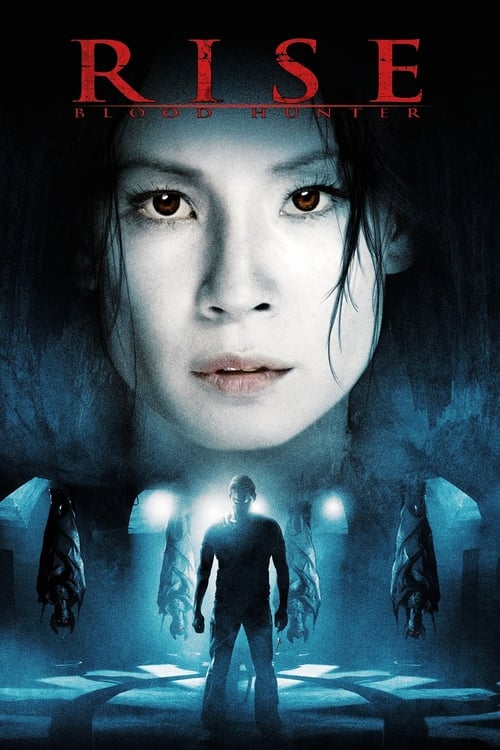
Rise: Blood Hunter
2007
No user ratings available yet
Representation score: 6.0 out of 10
Representation Score
Good
2009
RDirector
Chris Nahon
Runtime
91 minutes
Average Rating
No ratings yetNew Showbiz Analysis
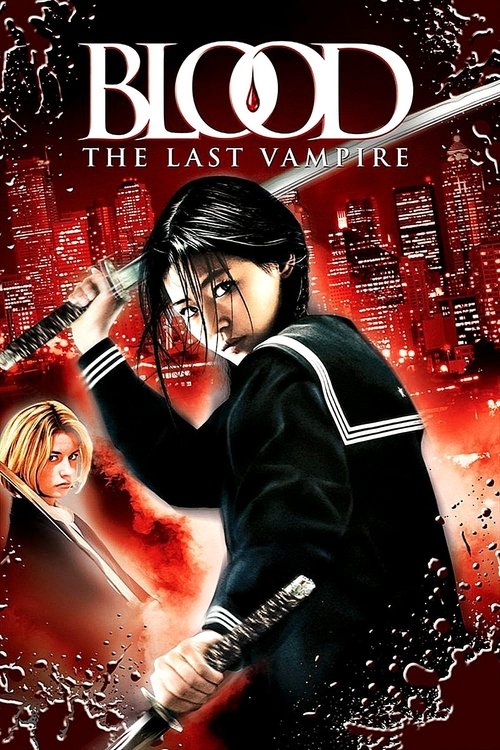
Blood: The Last Vampire effectively challenges traditional gender roles by featuring a powerful, independent female protagonist. However, the film does not engage deeply with broader sociopolitical issues, such as LGBTQ+ identities or religious critiques. Instead, it focuses on a specialized moral framework centered around personal duty and vigilante justice. The film's setting in 1960s Japan provides a non-Western perspective but maintains a culturally homogeneous narrative. The protagonist's 'otherness' is portrayed more as a genre cliché of the lone hero rather than a nuanced exploration of underrepresented identities.
Category Breakdown
The film does not include any openly LGBTQ+ characters or storylines. The protagonist's isolation is due to her supernatural traits rather than her sexual orientation or gender identity.
Saya stands out as a strong departure from traditional feminine stereotypes. She demonstrates superior physical strength and tactical skill, surpassing her male counterparts in combat scenarios.
Set in 1960s Japan, the film features a predominantly Japanese cast, avoiding Western-centric defaults. The protagonist's hybrid nature symbolizes social otherness.
The narrative centers on a predator-prey dynamic without delving into broader social critiques. It emphasizes personal responsibility and duty rather than religious or cultural commentary.
There are no explicit depictions of neurodivergent or physical disabilities among the human characters. The protagonist's hybrid status serves as a metaphor for both biological and social alienation.
Present on Screen
Limited or Absent
Official Synopsis
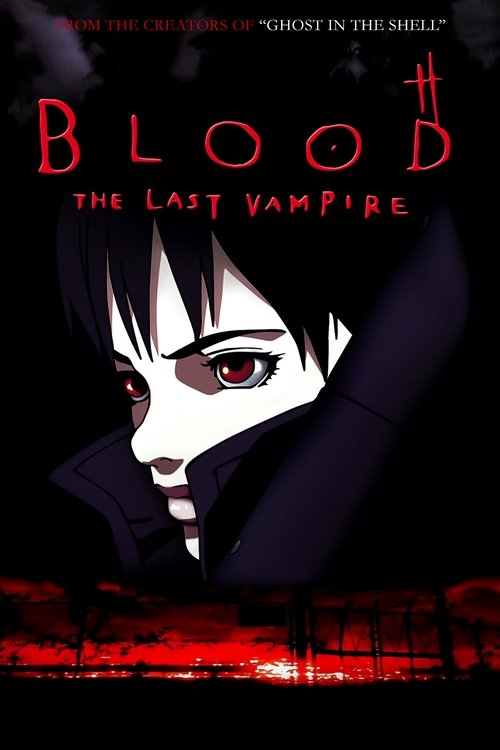
On the surface, Saya is a stunning 16-year-old, but that youthful exterior hides the tormented soul of a 400-year-old "halfling". Born to a human father and a vampire mother, she has for centuries been a loner obsessed with using her samurai skills to rid the world of vampires, all the while knowing that she herself can survive only on blood like those she hunts.
2007
2007
2016
2000
2005
2006
2011
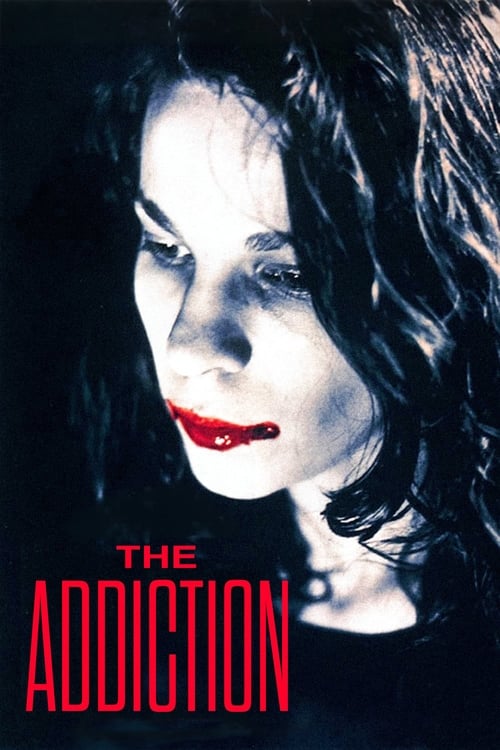
1995
No reviews yet. Be the first to share your thoughts on this movie!
Use the rating form above to leave a star rating and optional review.