Uncle Bun
1991
No user ratings available yet
Representation score: 1.9 out of 10
Representation Score
Fair
1986
Not RatedDirector
Priyadarshan
Runtime
147 minutes
Average Rating
No ratings yetNew Showbiz Analysis
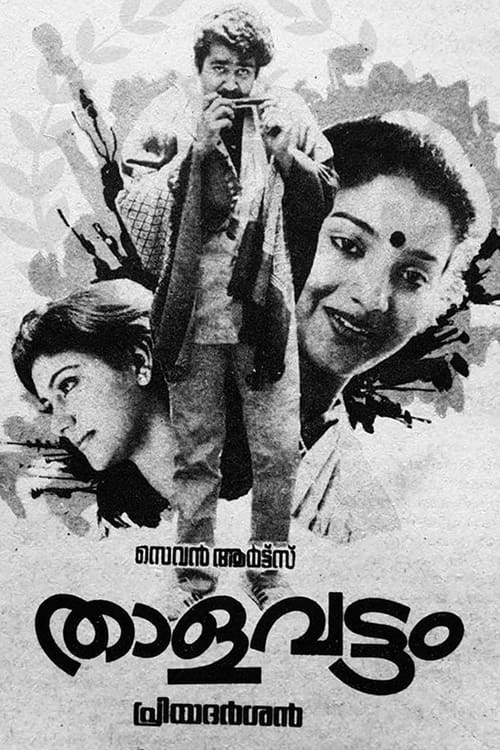
Thalavattam stands out for its empathetic handling of mental health, providing a protagonist who play a significant role in driving the story and emotional complexity. By centering the narrative on psychological fragility and recovery, it avoids many common cinematic clichés regarding neurodivergence. However, the film is deeply rooted in the social conservatism of its era. The plot relies on traditional romantic arcs and patriarchal authority, where familial approval dictates the characters' fates. This adherence to established social hierarchies limits its progressive potential. Ultimately, while the film offers a meaningful exploration of the human condition through the lens of mental illness, it does not seek to deconstruct broader gender or systemic power dynamics.
Category Breakdown
The film does not include any LGBTQ+ characters or non-straight relationships. The romantic tension is strictly between the protagonist and the female lead, following a traditional heterosexual relationship.
Dr. Savithri, as a medical practitioner, plays a significant role in recovery. However, the story remains centered around traditional family structures and hierarchies.
The cast is culturally homogeneous, reflecting a specific and authentic representation of Kerala’s social fabric. It avoids the whitewashing common in globalized media by focusing on a localized Malayali context.
The story operates within a framework of traditional social morality and familial approval. It focuses on interpersonal dynamics rather than critiquing religious or systemic structures.
The film centers on a protagonist navigating psychiatric institutionalization, providing emotional depth to a neurodivergent character. It grounds his journey in trauma rather than relying on purely inspirational clichés.
Present on Screen
Limited or Absent
Official Synopsis
Vinod/Vinu (played by Mohanlal) is mentally ill and is hospitalized in the institution run by Dr. Ravindran ( M G Soman). Story progresses as Vinod recovers with the help of Dr. Savithri, Dr. Ravindran's daughter (Karthika) and Dr. Unnikrishnan (Nedumudi Venu) who finds that Vinu fell ill after the accidental death of his fiancée Anitha (Lizy). Later Vinu and Savithri fall in love but Savithri is already engaged to be married to her cousin, Hari(Mukesh). Plot progresses as Dr. Ravindran opposes the romance between the doctor and the recovered patient.
1991
2005
1987
1999
2023
1995
2011
1991
No reviews yet. Be the first to share your thoughts on this movie!
Use the rating form above to leave a star rating and optional review.