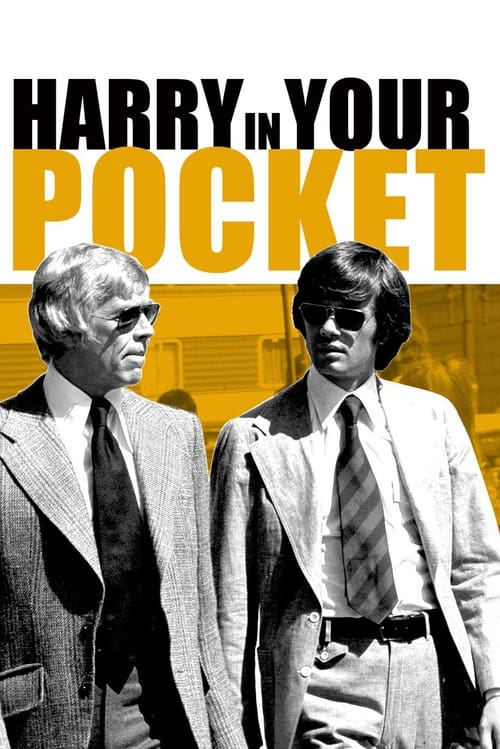
Harry in Your Pocket
1973
No user ratings available yet
Representation score: 2.8 out of 10
Representation Score
Limited
1989
RDirector
Bill Forsyth
Runtime
94 minutes
Average Rating
No ratings yetNew Showbiz Analysis
Bill Forsyth’s character study focuses on a homogeneous male experience, prioritizing social realism over demographic diversity. The film excels in its subtle critique of socioeconomic constraints and its non-judgmental approach to anti-social behavior. However, the production remains traditional in its representation. The lack of gender, racial, and LGBTQ+ diversity limits the film's multi-layered impact, keeping the overall score low. Ultimately, the film is a period-specific exploration of class and morality that lacks significant variety in its cast and character identities.
Category Breakdown
The film adheres to a traditional framework that assumes everyone is straight or cisgender. There are no visible LGBTQ+ characters or non-cisgender identities in the main storylines.
The story focuses primarily on masculine camaraderie and a male peer group. Women are confined to secondary, domestic roles with minimal influence on the central plot.
Set in 1950s Glasgow, the cast is predominantly white. While this reflects the historical demographics of the area, the film lacks diverse representation of different races.
The film offers a nuanced depiction of moral relativism and working-class stagnation. It critiques economic structures by framing petty crime as a response to socioeconomic limitations.
There is no significant evidence of characters with visible or invisible disabilities. The narrative does not use disability as a theme or tool for character development.
Present on Screen
Limited or Absent
Official Synopsis
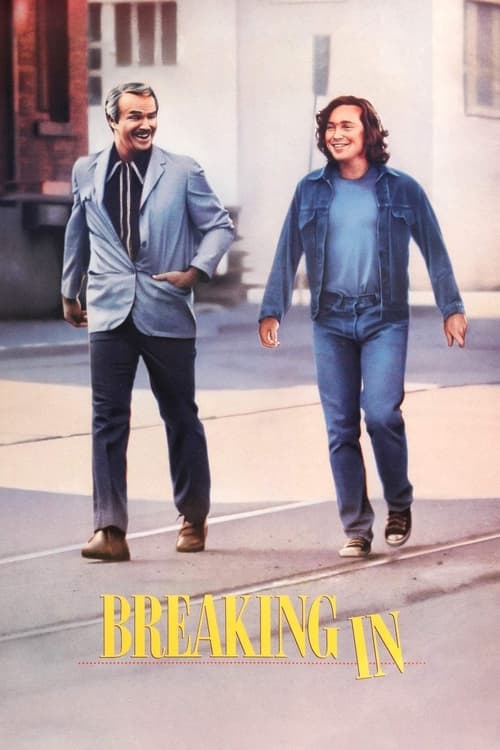
Professional thief Ernie takes Mike on as an apprentice, but while Mike clearly has "larceny in his heart", it will take him a long time to get as good as Ernie.
1973

1972

1984

1977
1980

1964

1980
1972
No reviews yet. Be the first to share your thoughts on this movie!
Use the rating form above to leave a star rating and optional review.