The Crossing
2021
No user ratings available yet
Representation score: 9.4 out of 10
Representation Score
Excellent
2015
Director
David Jansen
Runtime
15 minutes
Average Rating
No ratings yetNew Showbiz Analysis
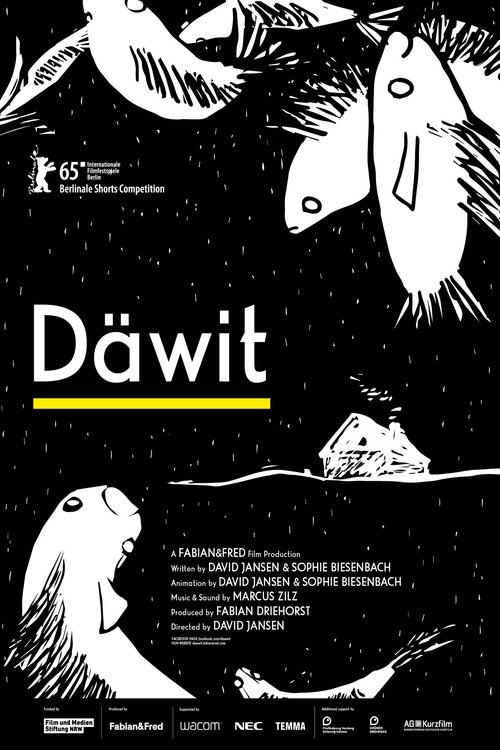
Through animation and anthropomorphic metaphors, Däwit explores themes of trauma and displacement. By focusing on a wolf child fleeing domestic abuse, the film challenges traditional family structures in favor of a non-traditional foster collective. The narrative prioritizes the ability to act of underrepresented individuals, framing the search for identity as a journey through systemic deprivation. This approach aligns with progressive storytelling that values individual self-actualization over established social hierarchies. While the film provides rich metaphorical layers regarding race and culture, it remains silent on explicit LGBTQ+ identities. It primarily serves as a character-driven study of survival and reconstruction.
Category Breakdown
The film does not explicitly address sexual orientation or gender identity. Instead, it focuses on non-traditional family structures and the development of personal identity.
The story challenges traditional gender roles by centering on a female protagonist escaping from abusive paternal figures. It highlights her ability to take control and seek refuge.
The film uses anthropomorphic metaphors, such as the wolf child, to reflect the experiences of displaced or underrepresented individuals. This approach suggests a nuanced exploration of social navigation.
The narrative questions traditional family structures by presenting a wolf pack as a legitimate refuge. It emphasizes existentialism and individual identity over institutional norms.
The protagonist's trauma and deprivation can be seen as an invisible psychological disability. Despite this, she retains significant control over her actions while dealing with emotional struggles.
Present on Screen
Limited or Absent
Official Synopsis
A wolf child, a cat, an angel. Young Daewit suffers violence at the hands of his father. He is eventually rescued and able to flee the place of his abuse. He finds refuge with a family of wolves: a foster child in a modern world. Lost, he embarks on a seemingly endless journey, a journey full of riddles and deprivation. He tries to find himself, his identity – amidst the all-encompassing sorrow.
2021

2019
2012
2015
2011
2015

2011
2022
No reviews yet. Be the first to share your thoughts on this movie!
Use the rating form above to leave a star rating and optional review.