Find another title
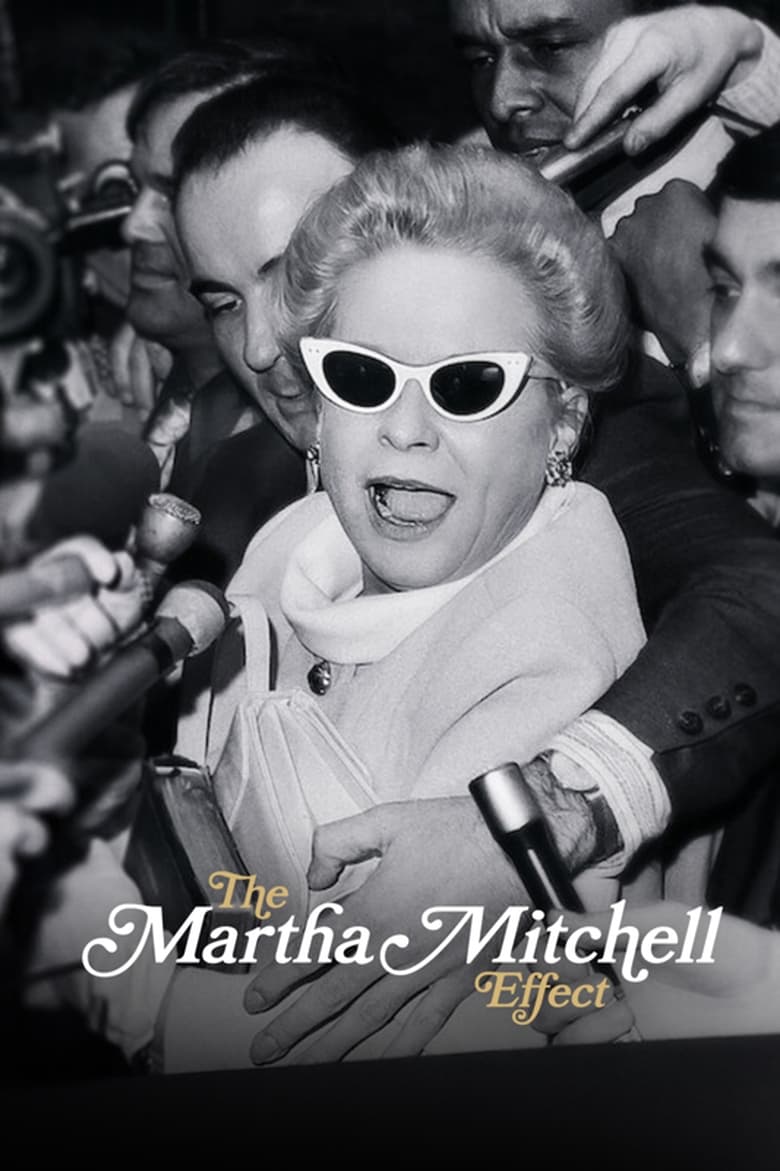
The Martha Mitchell Effect
2022
PGDirector
Debra McClutchy, Anne Alvergue
Runtime
40 minutes
Average Rating
No ratings yetSynopsis
She was once as famous as Jackie O—and then she tried to take down a President. Martha Mitchell was the unlikeliest of whistleblowers: a Republican wife who was discredited by Nixon to keep her quiet. Until now.
Where to Watch
Diversity & Representation
Overall Score
Good
Category Breakdown
LGBTQ+ Representation
The documentary focuses on a specific historical political era. It does not feature LGBTQ+ characters or narratives addressing non-heteronormative identities.
Gender Representation
The film centers on the subversion of traditional gender hierarchies. It documents how Martha Mitchell’s intellect and agency were weaponized against her by a patriarchal political establishment.
Racial & Ethnic Diversity
The cast of primary historical figures is largely homogeneous. The film reflects the era's social constraints and the lack of diversity within the 1970s American political elite.
Religious & Cultural Diversity
The documentary critiques traditional Western institutions. It portrays the U.S. government and medical establishment as corrupt, highlighting the systemic gaslighting used to protect state interests.
Disability Representation
The film examines how mental health is used as a tool of political control. It explores the weaponization of perceived instability to invalidate an individual's agency.
Strengths
- Strong subversion of patriarchal hierarchies by centering female political agency.
- Nuanced examination of how mental health labels are weaponized for political control.
- Effective critique of institutional corruption and systemic gaslighting.
Areas for Improvement
- Limited racial and ethnic diversity due to the historical focus on the Nixon administration.
- Absence of LGBTQ+ narratives or characters within the film's scope.
AI Analysis
The documentary excels at deconstructing patriarchal and institutional power. It reframes Martha Mitchell from a dismissed wife into a primary whistleblower, effectively challenging the official history of the Watergate era. While the film provides a sophisticated critique of systemic gaslighting, it is limited by its specific historical scope. The lack of demographic diversity reflects the homogeneous nature of the 1970s political elite. Ultimately, the film succeeds as a study of how institutional structures suppress individual truth. It turns a biographical investigation into a broader commentary on the misuse of psychiatric and political labels.
Rate this Movie
Reviews
No reviews yet. Be the first to share your thoughts on this movie!
Use the rating form above to leave a star rating and optional review.