The Whistlers
2019
No user ratings available yet
Diversity score: 3.8 out of 10
2010
Not RatedDirector
Corneliu Porumboiu
Runtime
110 minutes
Average Rating
No ratings yetSynopsis
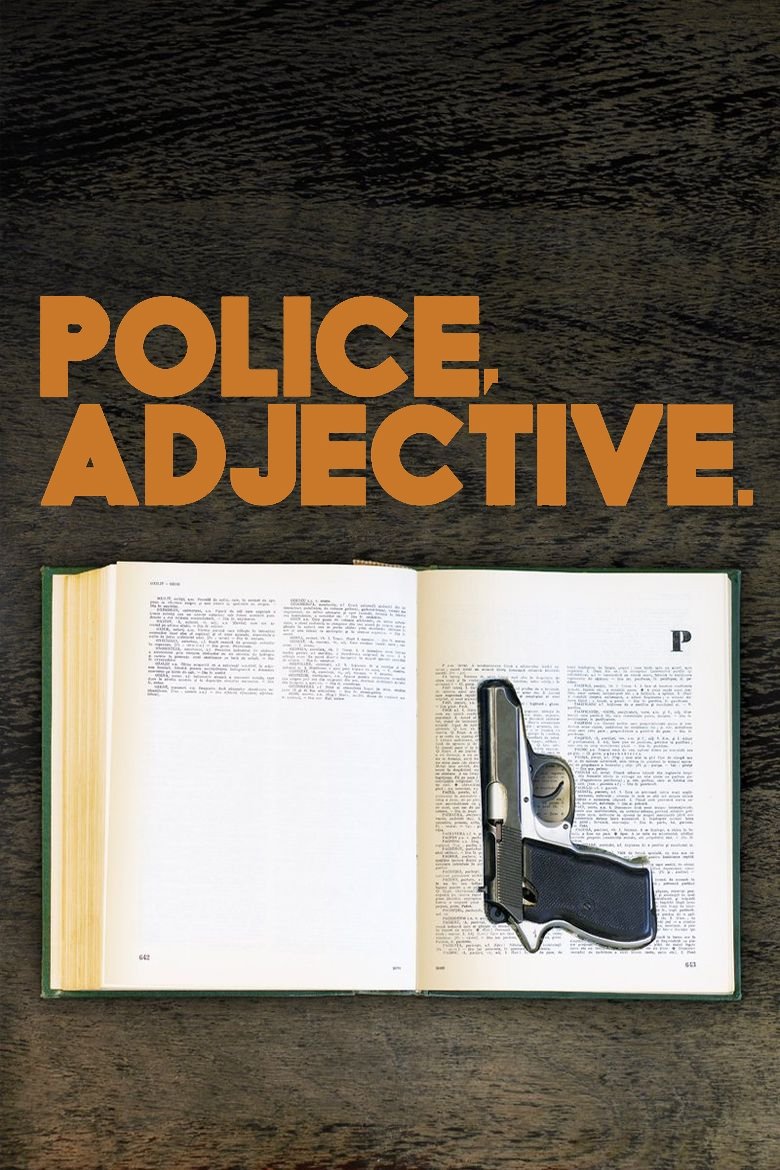
A cop named Cristi must go undercover to trail teen Victor who is suspected of selling pot in the north-eastern city of Vaslui.
Overall Score
Limited
Category Breakdown
LGBTQ+ Representation
The film lacks any visible depictions of non-cisnormative identities or same-sex intimacy. The narrative remains strictly focused on the procedural and existential stagnation of its male protagonist.
Gender Representation
The story is almost exclusively occupied by male characters within the context of police authority. While not actively promoting misogyny, the film lacks female agency and subverts gender hierarchies.
Racial & Ethnic Diversity
The cast and setting reflect a homogeneous, provincial landscape of post-communist Romania. It presents a localized, ethnically consistent portrait rather than utilizing diverse ethnic ensembles.
Religious & Cultural Diversity
The film excels in critiquing the efficacy of Western-style institutions. It presents truth as a subjective construct obscured by the absurdity of state bureaucracy and procedural red tape.
Disability Representation
There are no discernible depictions of physical, sensory, or neurodivergent characters. Disability is not utilized as a narrative device or a tool for character development.
Strengths
Areas for Improvement
AI Analysis
Police, Adjective is a minimalist work that prioritizes philosophical inquiry over demographic representation. It functions as a critique of systemic structures rather than a showcase for identity-based inclusion. The film's primary strength lies in its cultural deconstruction. By framing the police force as inherently inefficient and fragmented, it challenges the perceived stability of state institutions and the certainty of objective truth. However, the film scores very low in traditional diversity metrics. The narrative is heavily male-dominated and lacks representation for LGBTQ+, diverse ethnic groups, or characters with disabilities.
No reviews yet. Be the first to share your thoughts on this movie!
Use the rating form above to leave a star rating and optional review.