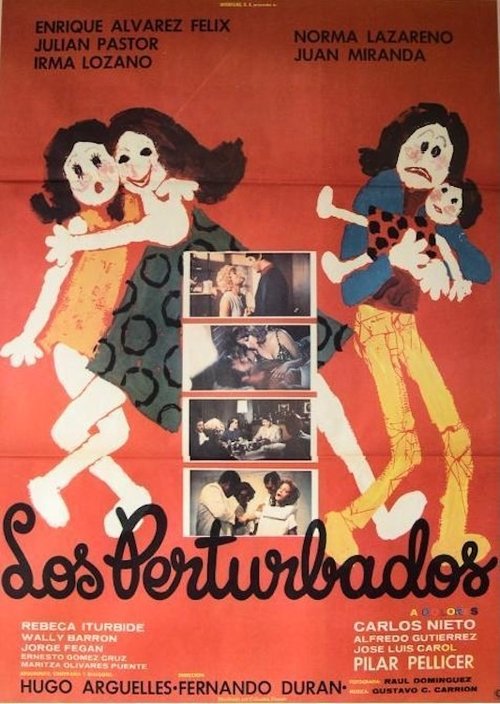
Los perturbados
1972
No user ratings available yet
Representation score: 0.0 out of 10

Representation Score
Limited
1978
Director
Tomás Muñoz
Runtime
11 minutes
Average Rating
No ratings yetNew Showbiz Analysis
Tomás Muñoz’s Golden Bear winner is a minimalist study of human behavior under constraint. By trapping four strangers in an elevator, the film prioritizes interpersonal tension over expansive demographic storytelling. It functions as a high-concept examination of social breakdown rather than a vehicle for identity politics. The film's strength lies in its ability to disrupt social norms through a pressurized, singular location. While it lacks overt representation of LGBTQ+ or disabled identities, it uses its micro-environment to challenge the fragility of urban social contracts and class dynamics.
Category Breakdown
The film does not include any clear evidence of LGBTQ+ characters or narratives. The story focuses on the immediate social friction between the four main characters.
Maria Luisa Oliveda holds a prominent role, ensuring a strong female presence. However, the film's stance on gender hierarchies remains ambiguous.
Casting likely reflects the demographic realities of 1978 Spain. There is no explicit evidence of intentional blending of diverse racial backgrounds.
The elevator setting critiques social isolation and urban social contracts. This structure allows for a deconstruction of class and social standing.
There is no evidence that disability or neurodivergence serves as a central theme. No such character traits are identified in the work.
Present on Screen
Limited or Absent
1972
1987

1977
1970
1989

1987

1984

1987
No reviews yet. Be the first to share your thoughts on this movie!
Use the rating form above to leave a star rating and optional review.