Mass
2004
No user ratings available yet
Representation score: 2.2 out of 10
Representation Score
Minimal
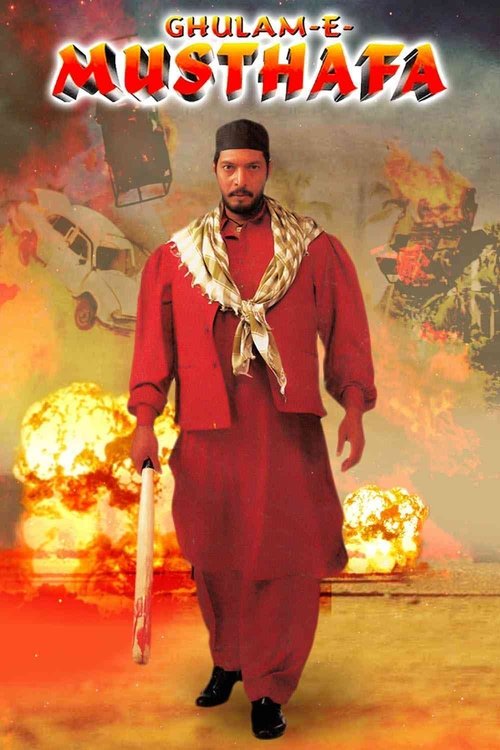
1997
Not RatedDirector
Partho Ghosh
Runtime
162 minutes
Average Rating
No ratings yetNew Showbiz Analysis
Ghulam-E-Musthafa is a conventional 1990s crime drama that centers on traditional genre clichés and male-dominated power structures. The narrative revolves around loyalty and vengeance within a male-centric framework. While the film offers a culturally grounded South Asian narrative through linguistic markers and religious practices, it does not challenge broader societal norms. Representation is confined to the demographic norms of its time. Ultimately, the film serves as a localized genre piece. It lacks the depth needed to address the diverse needs of underrepresented groups.
Category Breakdown
The film does not include any LGBTQ+ characters or those with non-traditional gender identities. The story emphasizes traditional masculine bonds and brotherhood.
Gender roles are traditional, with male characters having the majority of ability to act. The female lead, Kavita, plays a minor role as a dancer.
The film showcases a localized representation of South Asian identity. It uses specific linguistic markers to establish the story within its cultural context.
Religious practices are woven into the protagonist's identity. The story upholds traditional patriarchal and family structures.
There are no characters with physical, sensory, or neurodivergent disabilities in the film.
Present on Screen
Limited or Absent
Official Synopsis
The film revolves around a gangster named Mustafa (Patekar) who is a contract killer and can go any limit to please his superiors and offers 5 times Namaz. He was adopted by a powerful don Shanta Prasad (Rawal) when he was a child. He calls Shanta as Abba (an Urdu term for father). Abba taught him the crime tactics and made Mustafa his weapon for his illicit crimes. Mustafa's only aide is Sudama, his childhood best friend. Abba shares enmity with the Verma brothers Mahesh, Rohan and Bipin (Pradhan, Joshi and Bahl) which the trio wants to kill Abba. Meanwhile, a dancer Kavita (Tandon) who works in Verma's dance club.
2004
2006

2003
2014

1998
2004
1980

1991
No reviews yet. Be the first to share your thoughts on this movie!
Use the rating form above to leave a star rating and optional review.