
Islander
2018
No user ratings available yet
Representation score: 4.2 out of 10
Representation Score
Limited
1935
ApprovedRuntime
9 minutes
Average Rating
No ratings yetNew Showbiz Analysis
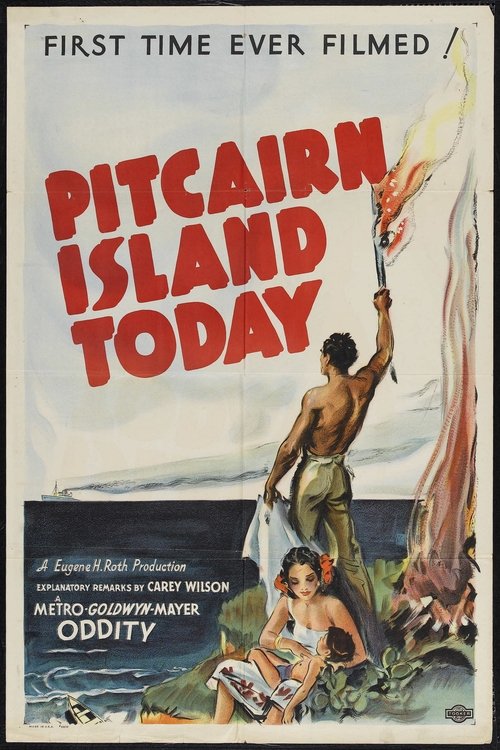
This 1935 documentary captures the daily life of Pitcairn Island residents, a distinct mix of Polynesian and European descent. The population reflects the island's unique history, with residents shown as self-sufficient locals in a remote setting. The film presents a community where traditional roles persist, with men and women in expected domestic and labor positions. While it lacks modern diversity frameworks, it offers a genuine look at a remote, mixed-heritage society. The absence of LGBTQ+ and disability representation is notable, as the focus remains on general community life and ancestry. The single male narrator further limits perspective, but the authentic depiction of the mixed-heritage community provides valuable historical context.
Category Breakdown
The documentary contains no LGBTQ+ characters or relationships. It focuses strictly on daily island life and ancestry, offering no depiction of queer identities or interactions.
Men and women appear in traditional domestic and labor roles. No characters challenge historical gender expectations, presenting a static view of gender dynamics within the community.
The cast consists of Pitcairn Islanders, a mixed Polynesian and European community. Residents are shown as self-sufficient locals, reflecting the island's unique mixed-heritage population.
The film portrays the island's unique blend of British and Tahitian heritage. It highlights self-sufficiency and historical continuity, documenting the distinct cultural identity of the residents.
No characters with physical or mental disabilities are shown. The film documents general community life without specific focus on disability experiences or representation.
Present on Screen
Limited or Absent
Official Synopsis
This visit to Pitcairn Island in the South Pacific Ocean shows that life for the residents has changed little in the years since Fletcher Christian and his fellow mutineers on HMS Bounty, along with several Tahitian natives, landed here. The island is self-sufficient and has few visitors. Among the islanders we see at work is Fletcher Christian's great-grandson.
2018
1962
1957
1984

2013
2003
1940
1955
No reviews yet. Be the first to share your thoughts on this movie!
Use the rating form above to leave a star rating and optional review.