
Death Note
2006
No user ratings available yet
Representation score: 1.8 out of 10

Representation Score
Minimal
2006
PG-13Director
Shusuke Kaneko
Runtime
140 minutes
Average Rating
No ratings yetNew Showbiz Analysis
Death Note: The Last Name is a sophisticated psychological thriller that emphasizes philosophical complexity over demographic diversity. It excels in intellectually challenging themes, particularly regarding morality and justice. However, the film lacks inclusivity, focusing on a narrow demographic with minimal representation of LGBTQ+ individuals, people with disabilities, or diverse racial groups. Its strength lies in its thematic depth rather than broad social representation.
Category Breakdown
The film does not include any LGBTQ+ characters or explore non-straight relationships. The interpersonal dynamics center around heterosexual romances and male friendships.
Female characters such as Misa Amane and Kiyomi Takada play important roles, but their influence often comes from their devotion to male leads. Intellectual leadership is primarily shown by male characters like Light and L.
The cast is predominantly Japanese, reflecting its specific urban setting. The film offers minimal multi-layered breadth by focusing on a homogeneous social structure.
The film explores moral relativism and questions institutional authority, critiquing traditional legal systems through a lens of situational ethics and subjective truth.
There are no characters with physical impairments or neurodivergence. The story focuses on psychological and supernatural elements.
Present on Screen
Limited or Absent
Official Synopsis
In the second installment of the Death Note film franchise, Light Yagami meets a second Kira and faithful follower Misa Amane and her Shinigami named Rem. Light attempts to defeat L along with Teru Mikami (a Kira follower) and Kiyomi Takada (another Kira follower) but in the end will Light win? or will a Shinigami named Ryuk make all the difference in Light's victory or his ultimate death?
2006

2006
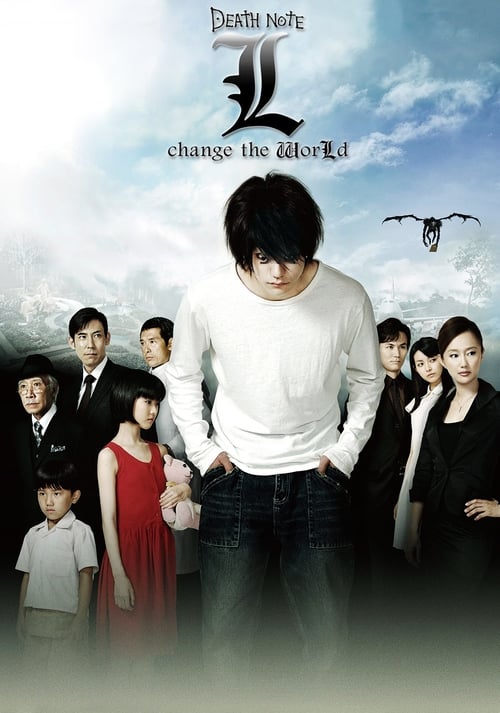
2008

2017

2009
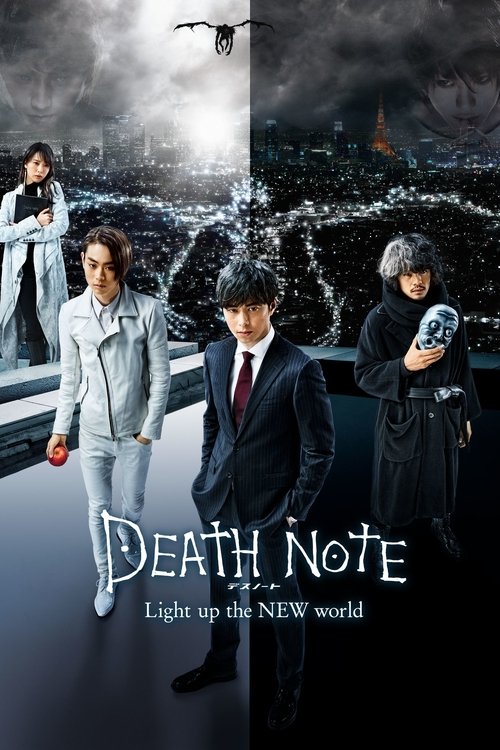
2016
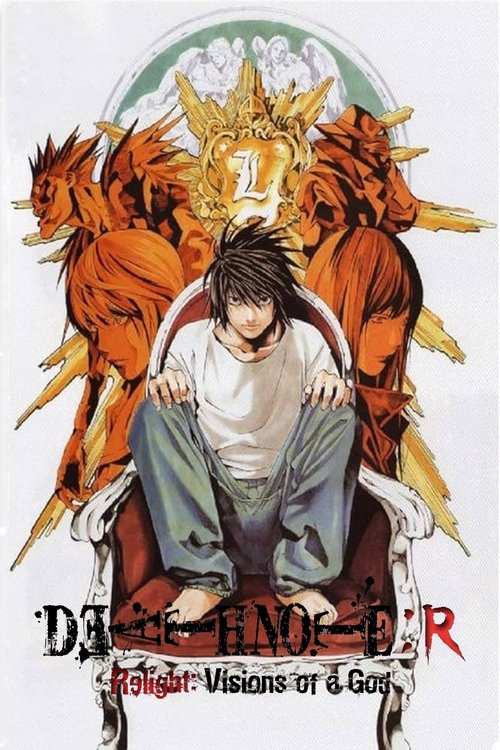
2007
No reviews yet. Be the first to share your thoughts on this movie!
Use the rating form above to leave a star rating and optional review.