
Attack from Space
1965
No user ratings available yet
Representation score: 1.8 out of 10

Representation Score
Minimal
1959
Director
Eijirō Wakabayashi
Runtime
85 minutes
Average Rating
No ratings yetNew Showbiz Analysis
Prince of Space is a classic mid-century science fiction adventure that emphasizes genre clichés over social critique. The plot follows a binary conflict between a benevolent scientist and a villainous dictator, a structure common to the era's action cinema. The film adheres to established social and moral hierarchies. While it provides a non-Western perspective through its Japanese production, the narrative remains anchored in traditional heroic and villainous archetypes.
Category Breakdown
The film does not include any LGBTQ+ characters or narratives. The story revolves around a typical hero and villain dynamic focused on scientific discovery.
The story relies on a traditional gender divide, emphasizing a benevolent male scientist and a ruthless male dictator, reinforcing male-dominated power struggles.
As a Japanese production, the film offers a non-Western perspective on science fiction. However, it is unclear how diverse the casting is between Earth and Krangkor.
The plot serves as a morality tale about safeguarding intellectual property, reinforcing traditional institutional values without exploring subversive cultural or political themes.
There are no characters with visible or invisible disabilities mentioned in the narrative.
Present on Screen
Limited or Absent
Official Synopsis
Attracted by the report of the development of a new type of rocket fuel, the vicious dictator of Krangkor, the dark planet, descends on Earth to steal the formula from its creator, the benevolent Dr. Makin.
1965
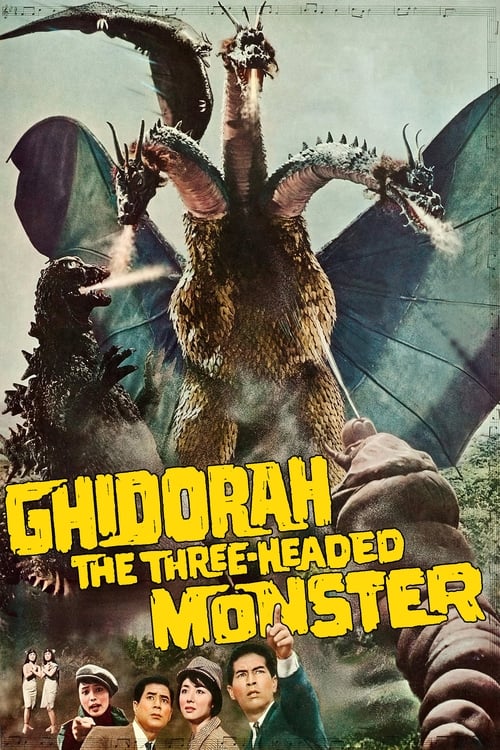
1964
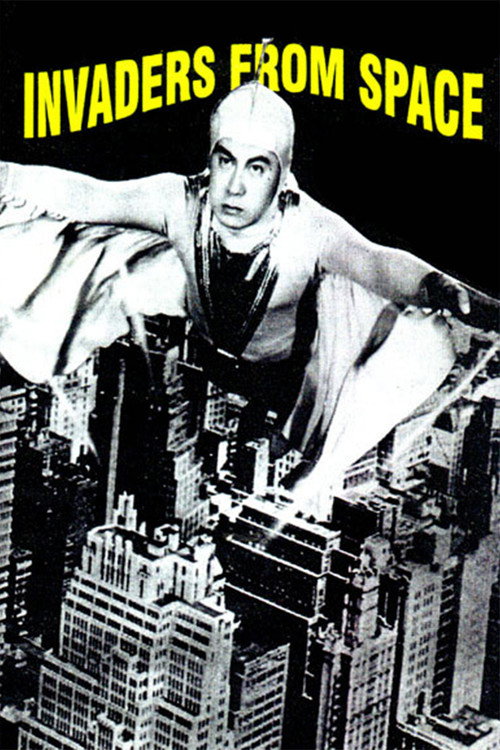
1965
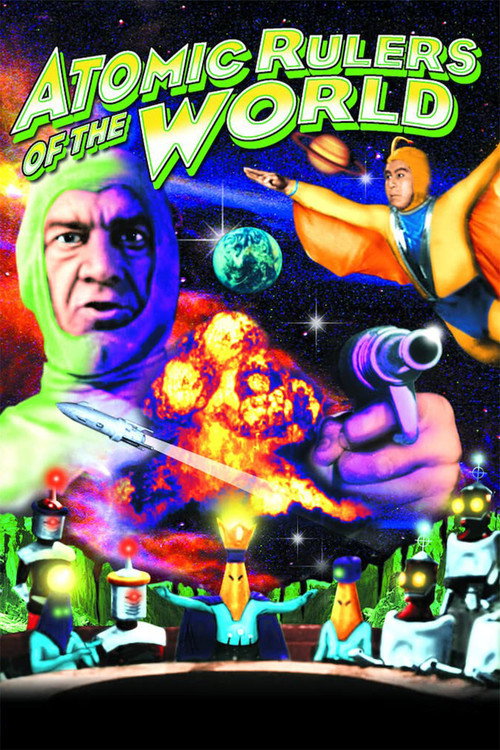
1965
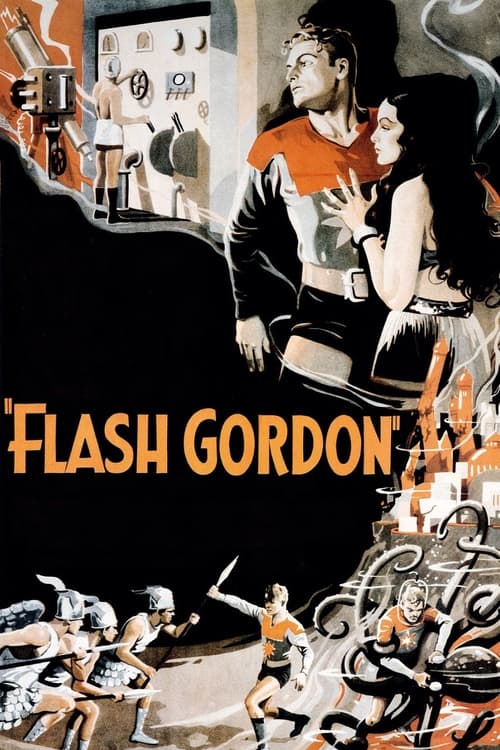
1936
1970
1963

1952
No reviews yet. Be the first to share your thoughts on this movie!
Use the rating form above to leave a star rating and optional review.