
Carlotta
2014
No user ratings available yet
Representation score: 5.8 out of 10
Representation Score
Fair
1988
PG-13Director
Steve Jodrell
Runtime
87 minutes
Average Rating
No ratings yetNew Showbiz Analysis
Tudawali is a significant piece of restorative media that challenges the Australian cinematic canon. By centering an Aboriginal activist and actor, the film elevates a underrepresented voice to the status of a legendary hero, disrupting traditional Western archetypes. However, the film lacks diversity in other areas. The narrative follows conventional gender roles, with little evidence of gender subversion or representation of LGBTQ+ identities or disability-centric themes. Ultimately, the film's strength lies in its racial and cultural centering, even if it adheres to more traditional social structures in other categories.
Category Breakdown
The film does not include any documented LGBTQ+ characters or non-cisgender identities. It focuses on a straight-centered biographical story.
The story centers around a masculine journey following a folk hero. Female characters do not significantly drive the plot or challenge traditional gender roles.
By focusing on an Aboriginal man, the film challenges colonial narratives. Tudawali is shown as a central figure with significant influence.
The film examines the tensions between Indigenous identity and Western influences. It uses a biographical approach to critique systemic colonial pressures.
The film mentions the protagonist's tragic death but does not focus on neurodivergence or physical disabilities as central themes.
Present on Screen
Limited or Absent
Official Synopsis
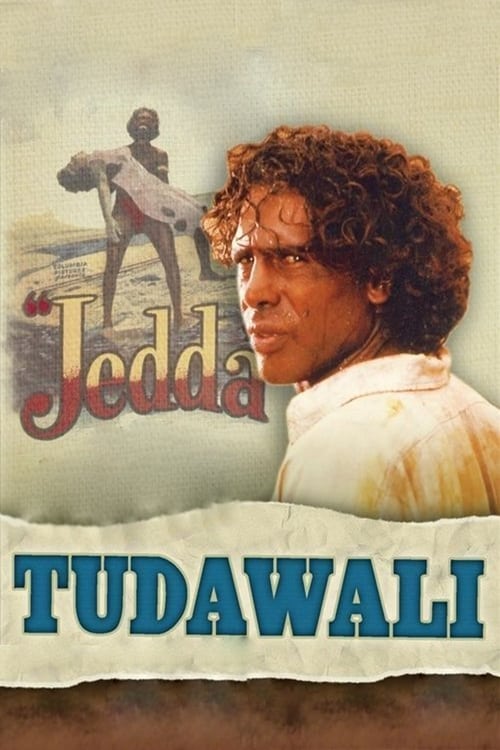
Tells the story of Robert Tudawali who starred in the first ever Australian technicolour feature film, "Jedda". Station hand, actor and then Aboriginal activist, Tudawali died in 1967 at the age of 38 in tragic circumstances.
2014
2013

2012
2007
2010

1989
2002
2011
No reviews yet. Be the first to share your thoughts on this movie!
Use the rating form above to leave a star rating and optional review.