Svengali
2013
No user ratings available yet
Representation score: 3.0 out of 10
Representation Score
Limited
2008
Director
Giles Borg
Runtime
82 minutes
Average Rating
No ratings yetNew Showbiz Analysis
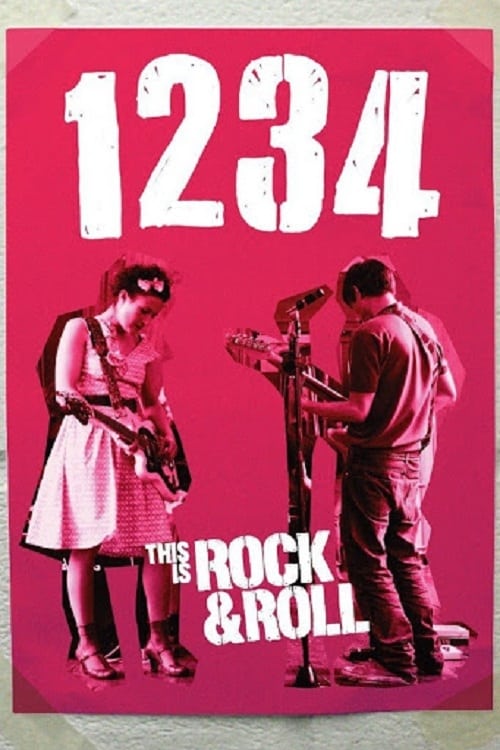
1234 is a localized character study that follows conventional indie-drama structures. It focuses on the pursuit of musical passion within a specific British subculture rather than exploring broad demographic intersections. The film lacks significant representation across most categories, particularly regarding race and LGBTQ+ identities. While it includes female characters within the band, they are defined more by personality quirks than by challenging gender hierarchies. Ultimately, the production functions as a standard coming-of-age story, reflecting a homogeneous social environment typical of low-budget UK indie films from this era.
Category Breakdown
The film focuses on the interpersonal dynamics of an indie band. There are no explicit LGBTQ+ characters or representations of non-straight relationships.
The band includes a female bassist named Emily, known for her eccentric traits. Women do not hold positions of systemic authority over their male counterparts.
The story centers on a specific British indie subculture. There is no mention of a multi-ethnic cast, indicating a relatively homogeneous social setting.
The narrative explores the pursuit of art over mundane capitalist structures like call centers. It lacks significant anti-institutional or overtly diverse cultural sentiments.
There is no mention of characters possessing visible or invisible disabilities within the provided context.
Present on Screen
Limited or Absent
Official Synopsis
Ian Bonar is Stevie, a wannabe musician whose look is a hybrid of Jarvis Cocker and early Elvis Costello. Working with his drummer pal Neil (Matthew Baynton) in a call centre, they dream of breaking into the indie music scene. To do this they require additional band members. Step forward the driven (and drinking) guitarist Billy (Kieran Bew) and slightly scatty bassist Emily (Lyndsey Marshal), who has a sideline in making sculpture from hair.
2013
2014
2009
2011
2012

2005
1999
2013
No reviews yet. Be the first to share your thoughts on this movie!
Use the rating form above to leave a star rating and optional review.