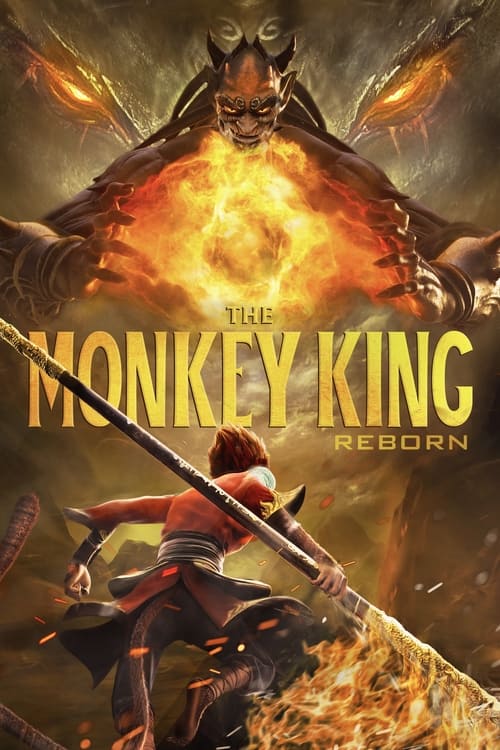
The Monkey King: Reborn
2021
No user ratings available yet
Representation score: 4.4 out of 10

Representation Score
Fair
2014
PGDirector
Pascal Morelli
Runtime
107 minutes
Average Rating
No ratings yetNew Showbiz Analysis
The film stands out by placing a non-Western civilization at the center of its heroic journey, breaking away from Western mythological clichés. Its strength lies in its authentic portrayal of Chinese history and society. However, the story stays within traditional boundaries when it comes to gender and sexuality. While it avoids Eurocentric views, it doesn’t delve into modern identity politics or radical social change. Overall, the film promotes a collective effort to overcome systemic challenges through a diverse group of characters rather than relying on a single, idealized hero.
Category Breakdown
The film doesn't include explicit same-sex relationships or characters with non-binary gender identities. The main characters—a prince, a monk, and a beggar girl—follow traditional adventure stories without obvious queer undertones.
Pei Pei, the beggar girl, plays a key role in the story. Her intelligence and verbal skills challenge the idea that heroes must always be male.
The story focuses on 12th-century China, avoiding Eurocentric themes. It explores various social classes, including royalty, monks, and peasants.
The film emphasizes Eastern folklore and spiritual themes, challenging Western storytelling traditions. The monk character highlights non-Christian spiritual practices and community strength.
There are no characters with visible or hidden disabilities. While characters have unique traits, none are portrayed as having neurodivergent or physical conditions.
Present on Screen
Limited or Absent
Official Synopsis
Empire of China. 12th century. The King Demons terrorize the land. To defeat these monsters, one needs the courage of a hundred tigers, the strength of a thousand buffalo, the cunning of as many snakes... and have the luck of the devil. All young Prince Duan has are fanciful illusions and stoutness. All Zhang-the-Perfect has is his monk's staff and a bunch of incomprehensible proverbs. All the little beggar Pei Pei has is the gift of the gab and a large appetite. But, most of all, Prince Duan, the old monk and the little beggar girl didn't know that it is impossible to defeat the King Demons. So they did it!
2021
2015

2012
2001

2008
2021
2016
2009
No reviews yet. Be the first to share your thoughts on this movie!
Use the rating form above to leave a star rating and optional review.