
La Parisienne
1957
No user ratings available yet
Representation score: 0.6 out of 10

Representation Score
Limited
1946
Director
Raymond Bernard
Runtime
115 minutes
Average Rating
No ratings yetNew Showbiz Analysis
Goodbye Darling is a mid-century comedy that explores the tension between social class and personal freedom through the use of deception. The narrative revolves around a woman navigating strict social hierarchies through a staged marriage. While the film lacks diverse representation and queer narratives, it subtly critiques domestic stability and maternal authority. The protagonist's role as an escort allows her to challenge the performative nature of high-society class structures. Ultimately, the film reflects the social constraints and demographic homogeneity of 1940s France, offering a glimpse into early challenges to traditional social hierarchies.
Category Breakdown
The film does not include any characters with non-straight or non-cisgender identities. The story focuses solely on traditional romantic and family relationships.
Chérie plays a significant role in driving the plot through social manipulation. She challenges passive female stereotypes by being central to the film's strategy.
The production reflects the demographic uniformity typical of 1946 European cinema. There is no evidence of diverse casting or racial representation.
The story critiques traditional Western institutions such as the family unit. It challenges idealized portrayals of maternal authority by presenting domestic expectations as obstacles to be overcome.
There are no characters with visible or invisible disabilities in the film. The documentation does not mention any disability representation.
Present on Screen
Limited or Absent
Official Synopsis
Chérie is a beautiful young woman who works as an escort girl. She meets a young and wealthy man who propose her to be his fictional wife so that his mother won't bother him anymore with this other girl, a rich one, she wants to see her son married to.
1957

1938
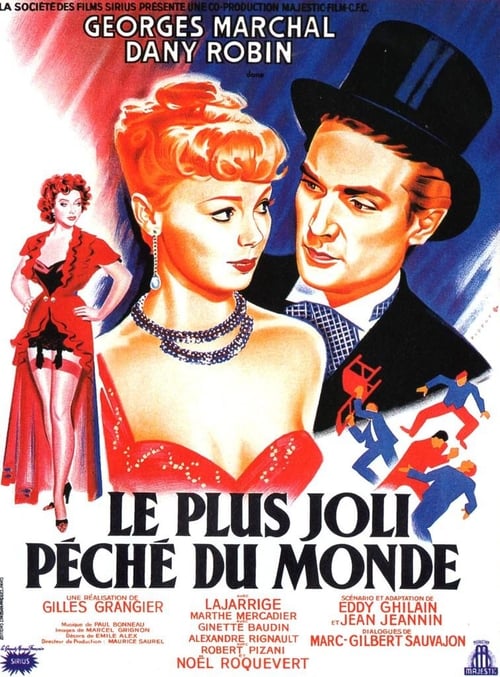
1951

2006
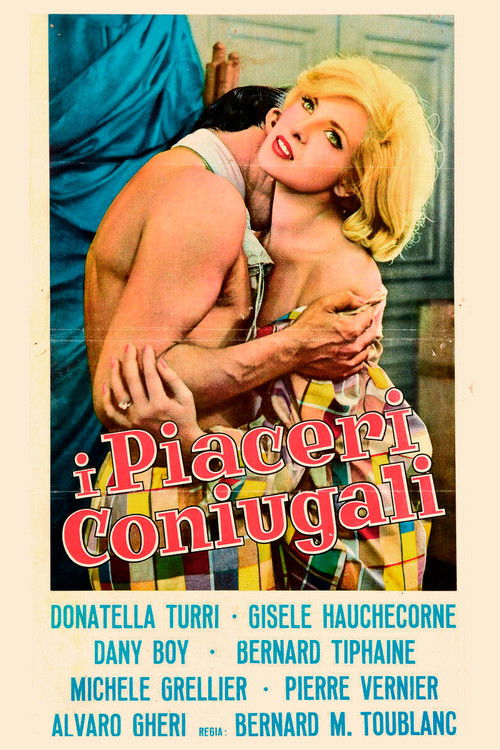
1964
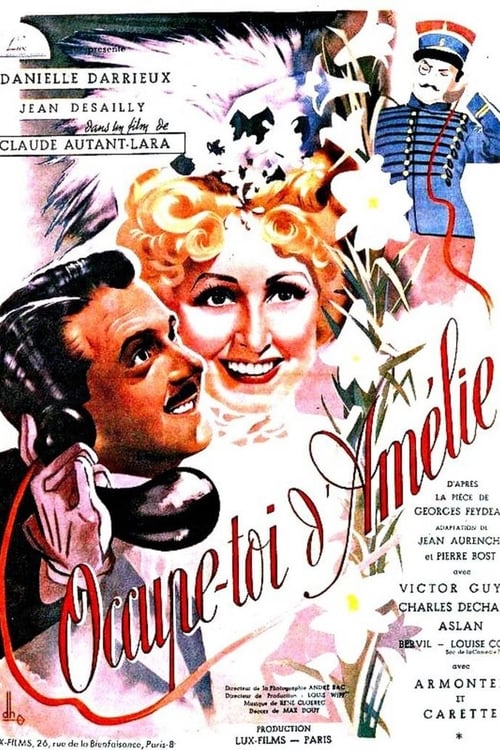
1949
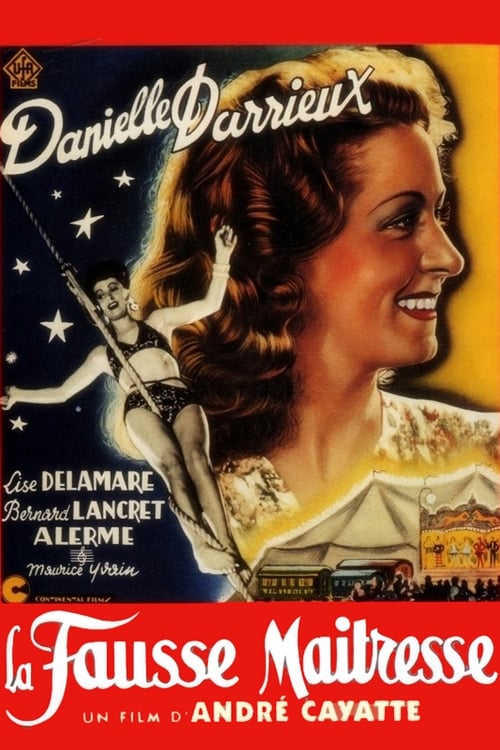
1942
1966
No reviews yet. Be the first to share your thoughts on this movie!
Use the rating form above to leave a star rating and optional review.