
The Chronicles of Riddick: Dark Fury
2004
No user ratings available yet
Representation score: 3.2 out of 10

Representation Score
Limited
2025
RDirector
Dan Trachtenberg
Runtime
85 minutes
Average Rating
No ratings yetNew Showbiz Analysis
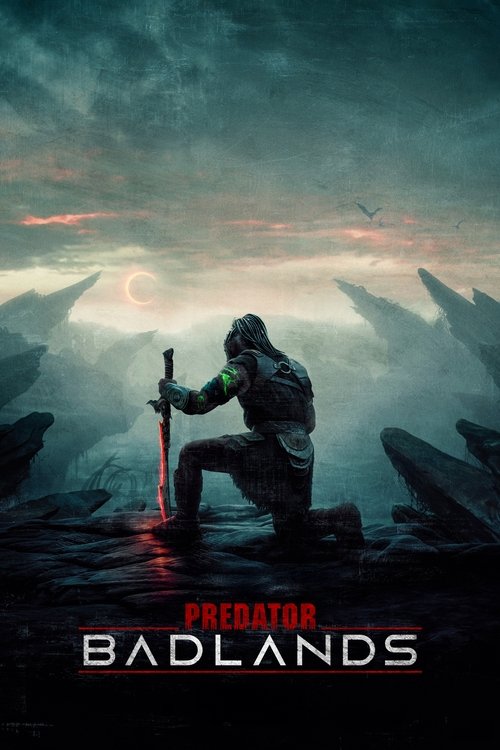
The film uses a multi-era narrative to challenge traditional historical hierarchies. By placing a Viking, a ninja, and a WWII pilot in a shared ecosystem, it transcends specific geographic and temporal boundaries. While the film excels at cross-cultural engagement through diverse historical archetypes, it remains anchored in traditional masculine warrior clichés. This creates a tension between its broad global scope and its conventional gender coding. Ultimately, the work functions as a study of universal survivalism. It strips away social structures to focus on the intersection of various warrior cultures facing a singular existential threat.
Category Breakdown
The film focuses on historical combatants and does not provide any information about gender identity or sexual orientation. There are no LGBTQ+ characters mentioned in the narrative.
The film features a Viking, a ninja, and a WWII pilot, all relying on traditional masculine roles. It currently lacks female protagonists or any subversion of gender norms.
By centering a Japanese ninja and a Viking raider, the film moves away from Western-centric views. This blend of cultural identities creates a sophisticated, global survivalist framework.
The film simplifies historical contexts by reducing various eras to a primal state of survival. It emphasizes a universal existentialism rather than specific religious or patriotic values.
There is no mention of neurodivergence or physical disabilities in the character descriptions. The current information does not address disability representation.
Present on Screen
Limited or Absent
Official Synopsis
While three of the fiercest warriors in human history—a Viking raider, a ninja in feudal Japan, and a WWII pilot—are killers in their own right, they are merely prey for their new opponent: the ultimate killer of killers.
2004
2020

2022

2006
2025

2007

2010

2022
No reviews yet. Be the first to share your thoughts on this movie!
Use the rating form above to leave a star rating and optional review.