
Dandelion
2004
No user ratings available yet
Representation score: 4.1 out of 10
Representation Score
Fair
2017
TV-14Director
Kyle Wilamowski
Runtime
82 minutes
Average Rating
No ratings yetNew Showbiz Analysis
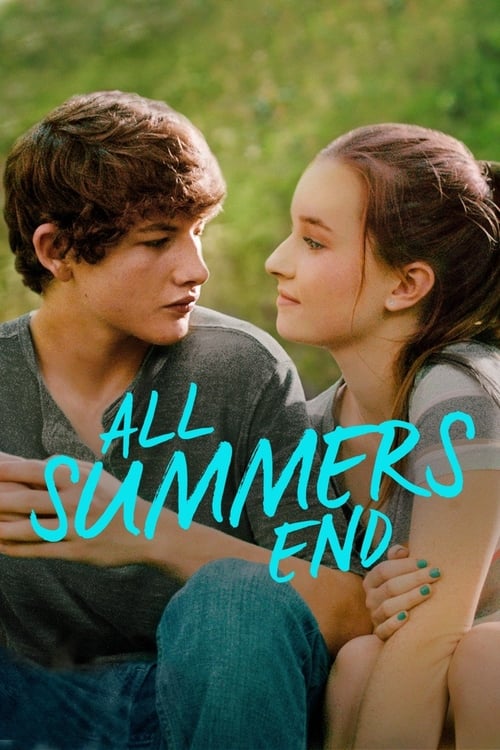
All Summers End functions as a conventional genre piece that relies heavily on established narrative structures. The story prioritizes individualistic moral consequences and personal guilt over any meaningful exploration of identity or systemic social issues. By adhering to traditional demographic norms and standard Western clichés, it misses opportunities to provide nuanced perspectives on identity and social issues.
Category Breakdown
The film follows a traditional romantic structure centered on a heterosexual pairing and does not explore non-cisgender identities or challenge the assumption that everyone is straight or cisgender.
The central conflict is driven by a male protagonist's internal guilt, while the female character acts as an emotional catalyst. The film adheres to conventional gender roles and hierarchies.
Set in a small-town context, the production does not prioritize a diverse cast. The narrative focuses on a localized drama that defaults to a homogeneous demographic.
The story operates within a traditional moral framework focused on individual responsibility. It lacks systemic critiques or deconstructions of Western dramatic clichés.
There is no indication of neurodivergent characters or individuals with physical disabilities. The focus on psychological trauma serves character development rather than exploring disability.
Present on Screen
Limited or Absent
Official Synopsis
A teenager tries to deal with his guilty conscience after his role in a prank that causes the death of his girlfriend's older brother.
2004

2003
2016

2017

2022

2016
2022

2017
No reviews yet. Be the first to share your thoughts on this movie!
Use the rating form above to leave a star rating and optional review.