Find another title
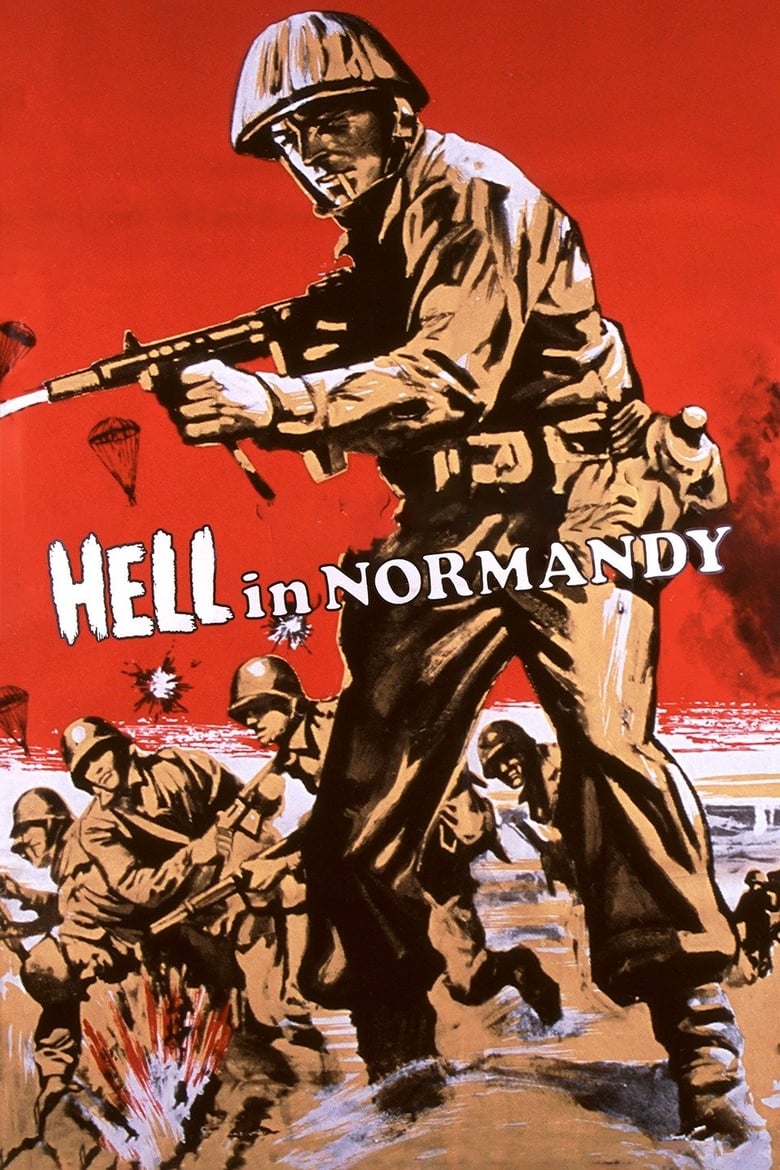
Hell in Normandy
1968
Director
Alfonso Brescia
Runtime
90 minutes
Average Rating
No ratings yetSynopsis
The movie is set during World War II in the days just prior to the D-Day invasion. A special parachute unit is sent to destroy a German flame thrower installation on Omaha Beach.
Where to Watch
Diversity & Representation
Overall Score
Limited
Category Breakdown
LGBTQ+ Representation
The film adheres to the heteronormative standards typical of 1968 war cinema. It focuses on rigid military structures rather than non-cisnormative identities.
Gender Representation
The narrative prioritizes masculine leadership and combat roles. It reinforces traditional gender hierarchies by focusing on male-dominated units without subverting masculine authority.
Racial & Ethnic Diversity
The story centers on a homogeneous Western military perspective. It lacks high-agency characters of color or intentional diverse casting common in modern works.
Religious & Cultural Diversity
The film leans into established Western heroic tropes of patriotism and duty. It avoids systemic critique in favor of clear-cut military objectives.
Disability Representation
Physical injury serves primarily as a plot device to heighten combat stakes. There is no evidence of nuanced portrayals regarding neurodivergence or invisible disabilities.
Strengths
- Provides a traditional, era-appropriate depiction of a World War II military unit.
Areas for Improvement
- Lacks diverse representation across gender, race, and LGBTQ+ identities.
- Fails to provide nuanced portrayals of disability or neurodivergence.
- Relies on conventional Western heroic tropes rather than systemic critique.
AI Analysis
Hell in Normandy is a standard genre piece that reflects the cinematic conventions of the late 1960s. It focuses on historical realism and traditional military hierarchies rather than social subversion. The film lacks intentionality regarding intersectional representation. It operates within the established frameworks of mid-century war dramas, emphasizing duty and combat objectives over diverse perspectives. Ultimately, the work functions as a conventional historical narrative that reinforces the social and cultural norms of its era.
Rate this Movie
Reviews
No reviews yet. Be the first to share your thoughts on this movie!
Use the rating form above to leave a star rating and optional review.