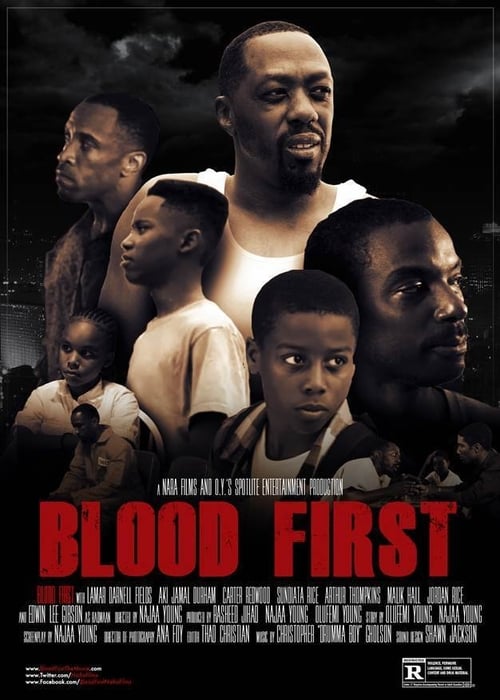
Blood First
2014
No user ratings available yet
Representation score: 3.3 out of 10
Representation Score
Minimal
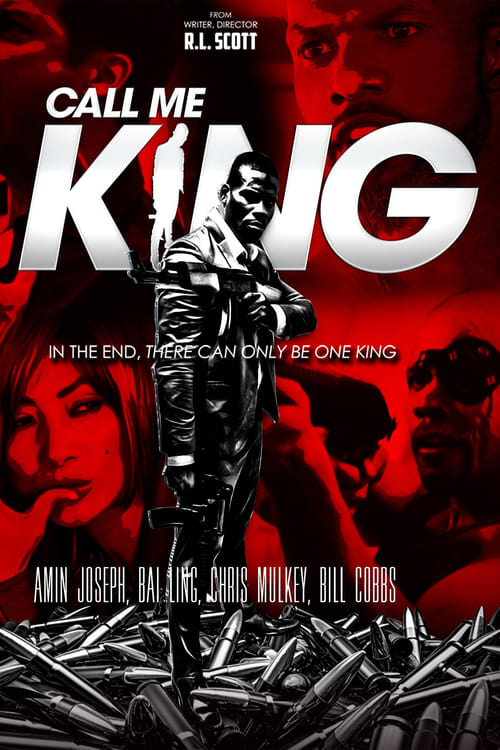
2016
RDirector
R.L. Scott
Runtime
118 minutes
Average Rating
No ratings yetNew Showbiz Analysis
Call Me King is a genre-driven crime drama that leans heavily into established clichés of power, loyalty, and familial betrayal. While the international scope of the gun-running underworld offers a platform for diverse cultural perspectives, the film appears to operate within conventional social hierarchies rather than challenging them. The narrative is primarily defined by masculine-coded themes of kingship and warfare. This focus suggests a traditional approach to character dynamics that may lack significant gender or LGBTQ+ the way different parts of someone's identity overlap. Ultimately, the film functions as a standard crime thriller. It uses the subculture of organized crime to explore subjective morality, but it does not yet demonstrate a commitment to disrupting mainstream representation through progressive character development.
Category Breakdown
The film does not include any LGBTQ+ characters or non-cisgender identities. The storyline focuses on male-dominated crime syndicates, suggesting a traditional social structure.
The plot centers on power and kingship, which often rely on traditional masculine leadership roles. It is unclear if female characters have significant roles or serve as passive elements.
The international setting of the film provides a framework for non-Western power dynamics. This suggests a narrative that likely centers on perspectives outside of traditional Anglo-Saxon norms.
The film prioritizes the internal morality of a criminal subculture over Western legal institutions. However, it is unclear if the work actively critiques broader cultural dominance.
There is no mention of characters with visible or invisible disabilities. The current context provides no indication of disability representation.
Present on Screen
Limited or Absent
Official Synopsis
In the international world of gun running... loyalty, honor and discretion are valuable commodities, but nothing is more priceless than the bond of family. Power begets enemies and a loved ones betrayal cuts like a knife. Sides will be chosen, wars will be fought. In the end, there can only be one King.
2014
2016
1997

1999
2002
2018

2016

2023
No reviews yet. Be the first to share your thoughts on this movie!
Use the rating form above to leave a star rating and optional review.