Tatsumi
2011
No user ratings available yet
Diversity score: 4.8 out of 10
2025
PG-13Director
Sylvain Chomet
Runtime
91 minutes
Average Rating
No ratings yetSynopsis
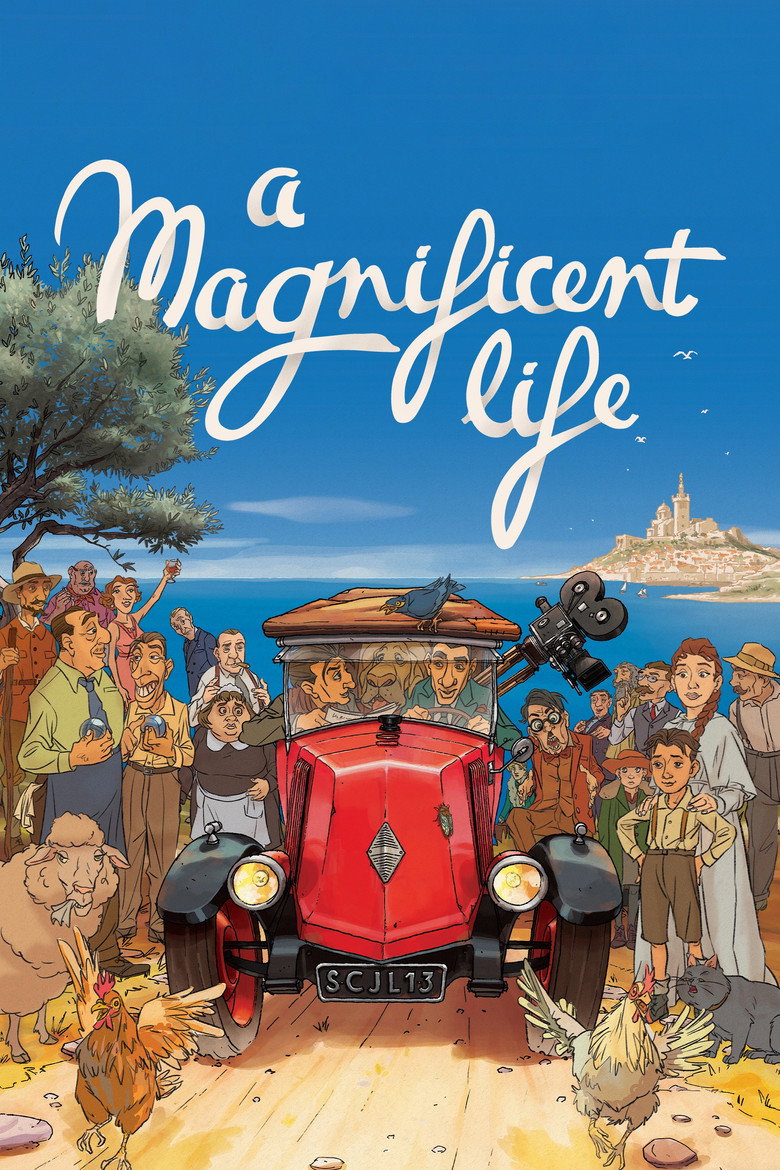
In 1955, 60-year-old Marcel Pagnol is a well-known and acclaimed playwright and filmmaker. When the editor-in-chief of ELLE magazine commissions a weekly column about Pagnol's childhood, he sees this as a great opportunity to go back to his artistic roots: writing. Realizing his memory is failing him and deeply affected by the disappointing results of his last two plays, Pagnol starts doubting his ability to pursue his work. That is until Little Marcel - the young boy he used to be - appears to him as if by magic. Together, they will explore Marcel Pagnol's incredible life and bring back to life his most cherished encounters and memories...
Overall Score
Fair
Category Breakdown
LGBTQ+ Representation
The film centers on the biographical journey of Marcel Pagnol and his internal dialogue with his younger self. There is no explicit evidence of LGBTQ+ characters or critiques of heteronormativity.
Gender Representation
Narrative agency is primarily held by the male protagonist, focusing on his professional and creative evolution. While female cast members are present, the film reflects traditional 1950s social hierarchies.
Racial & Ethnic Diversity
Set in 1955 France, the story is rooted in a specific European milieu. The cast and setting appear homogeneous, consistent with the historical period and the subject's biography.
Religious & Cultural Diversity
The film explores memory and the artist's struggle through a traditional Western biographical structure. It celebrates a French intellectual figure rather than critiquing Western institutions or promoting alternative agendas.
Disability Representation
Pagnol’s failing memory serves as a catalyst for artistic introspection and existential doubt. The film focuses on this internal mental state rather than a broader spectrum of neurodivergence.
Strengths
Areas for Improvement
AI Analysis
A Magnificent Life is a period-specific biographical drama that prioritizes historical authenticity and the singular perspective of Marcel Pagnol. The narrative is deeply anchored in the 1950s French cultural landscape, which naturally limits the scope of intersectional representation. While the film offers a sophisticated psychological exploration of memory and the human condition, it does not actively seek to disrupt conventional social hierarchies. The focus remains on the protagonist's personal legacy and artistic roots. Ultimately, the film functions as a character-driven study of a prominent cultural figure. It favors a focused, European lens over a diverse or multi-ethnic narrative approach.
No reviews yet. Be the first to share your thoughts on this movie!
Use the rating form above to leave a star rating and optional review.