
Strawberry Mansion
2021
No user ratings available yet
Representation score: 5.3 out of 10
Representation Score
Good
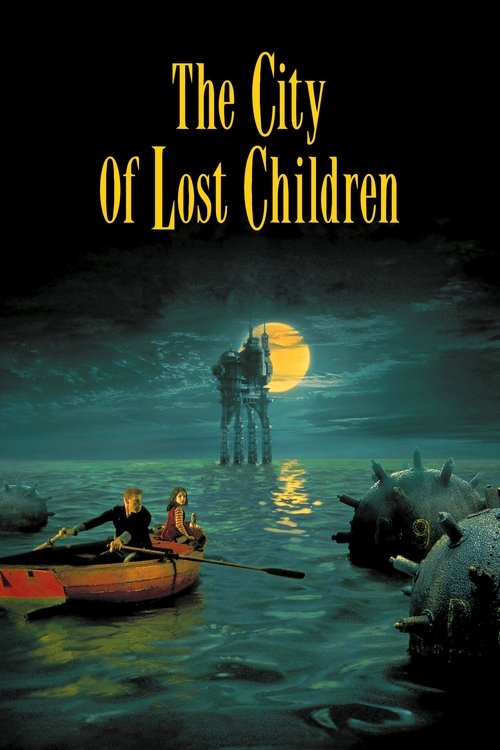
1995
RDirector
Marc Caro, Jean-Pierre Jeunet
Runtime
112 minutes
Average Rating
No ratings yetNew Showbiz Analysis
The film stands out by challenging traditional social hierarchies and celebrating physical differences. Its strength lies in a postmodern critique of authority and the commodification of human essence. However, it lacks engagement with modern identity politics, such as explicit LGBTQ+ representation and specific racial or ethnic character development. Ultimately, the work is a deeply psychological exploration of ability to act and the dangers of scientific progress.
Category Breakdown
The film doesn't show same-sex intimacy or romantic arcs focused on LGBTQ+ characters. The surreal style challenges traditional social norms, but the story centers on existential themes rather than LGBTQ+ identities.
Gender roles are portrayed through a stylized, mechanical perspective, particularly with the identical 'Clone' girls. Male protagonists dominate, but female characters avoid typical stereotypes and play crucial roles in the dream-like environment.
The steampunk setting uses a monochromatic color scheme that avoids typical homogeneity. However, race and ethnicity are not key drivers for character development or plot progression.
The story provides a critical look at Western institutions and the industrial-scientific complex. It emphasizes subjective, dream-based morality over the corruptive forces of institutionalized progress and capitalism.
Physical abnormalities and grotesque traits are part of the world's design. By focusing on characters who are often sidelined by normative cinema, the film highlights their ability to act.
Present on Screen
Limited or Absent
Official Synopsis
A scientist in a surrealist society kidnaps children to steal their dreams, hoping that they slow his aging process.
2021
1989
1989
1973
1991
1990

2006

1988
No reviews yet. Be the first to share your thoughts on this movie!
Use the rating form above to leave a star rating and optional review.